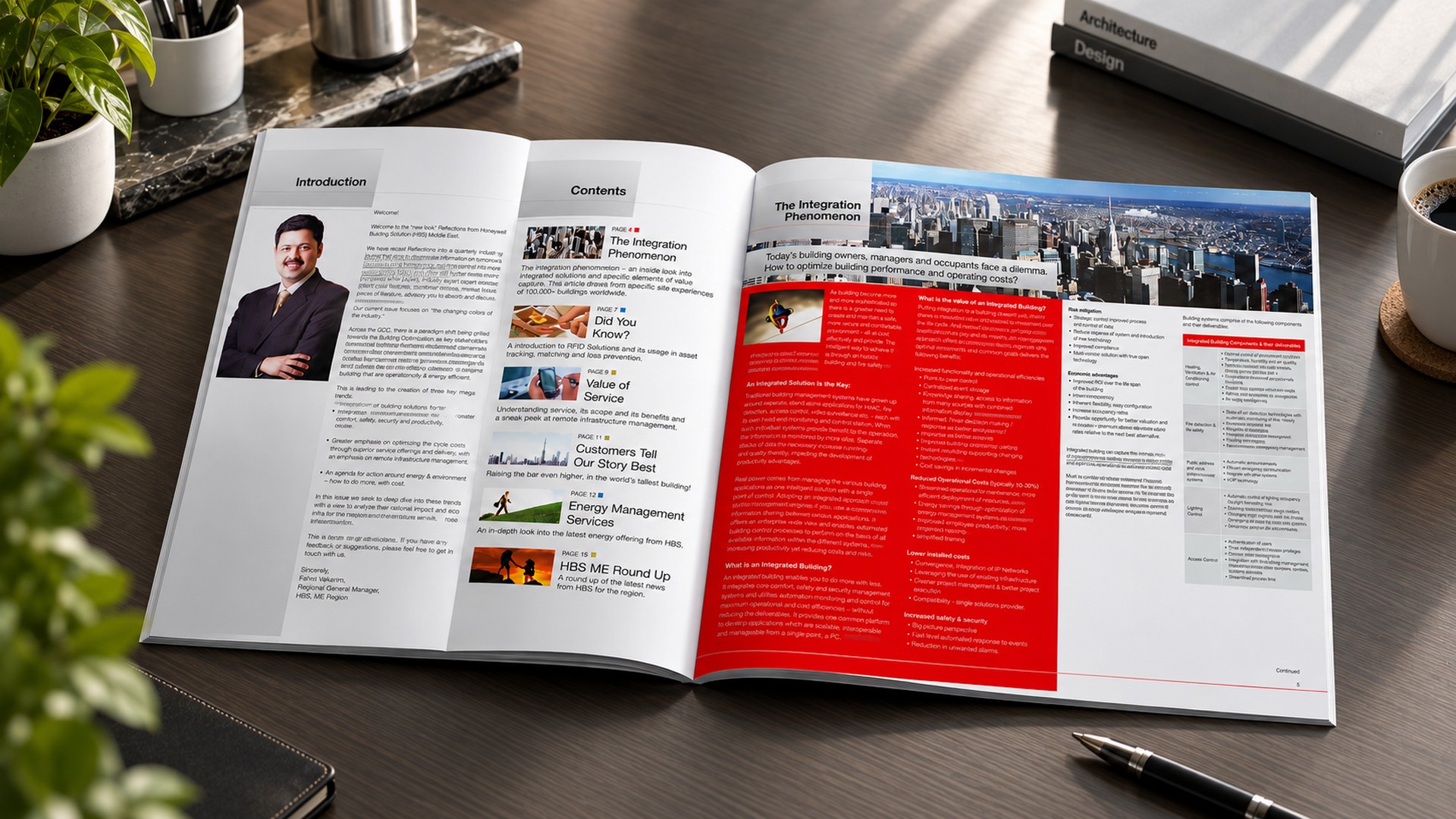
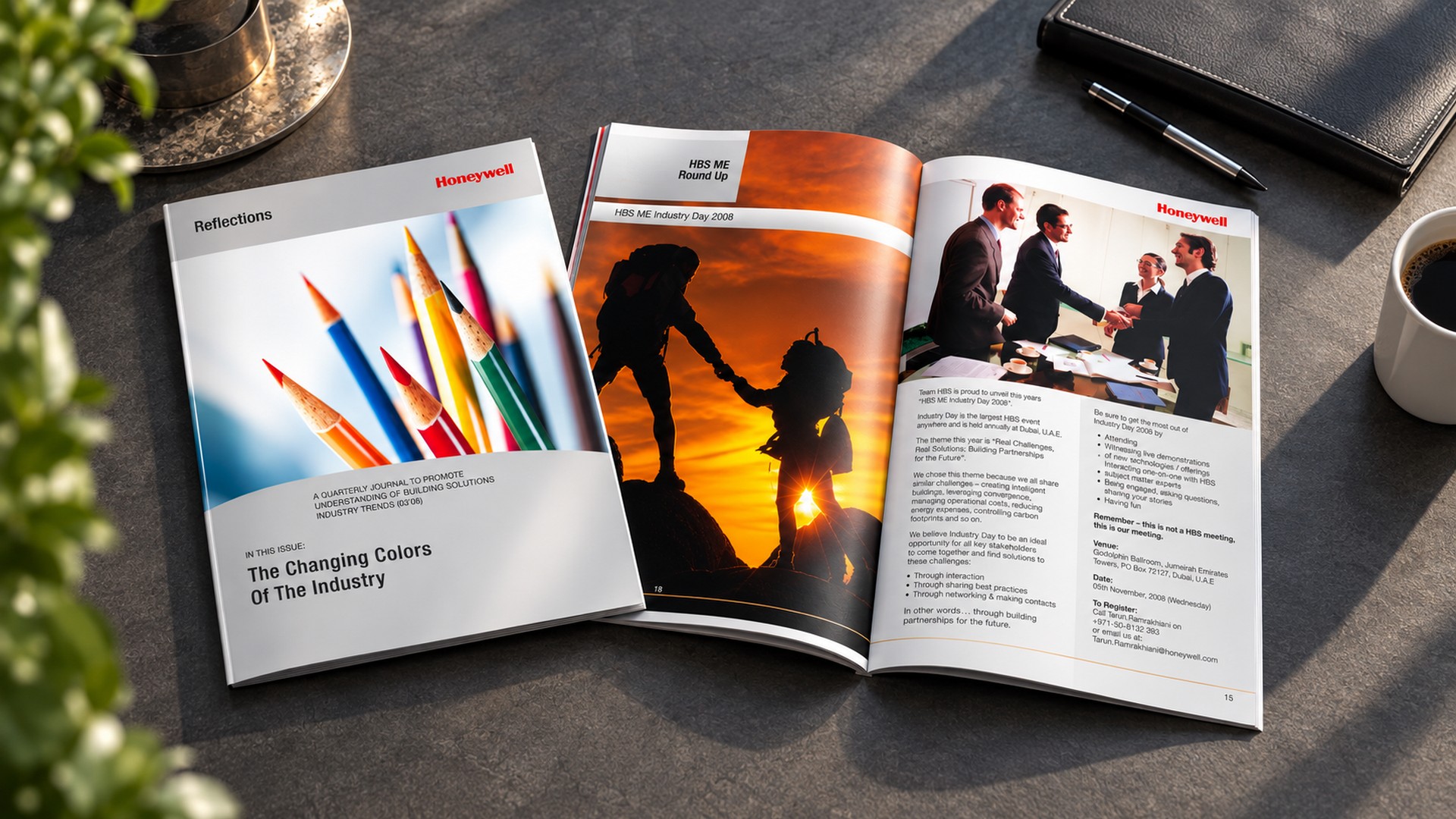
The complexity of Honeywell’s offering was mirrored in its communication. Different stakeholders entered the decision at different stages, each with different priorities, while the brand experience lacked a consistent narrative across touchpoints. This created gaps in understanding, weakened differentiation, and contributed to longer decision cycles.
Lokusdesign reframed the challenge around a fundamental question:
How can a technically complex B2B offering become easier to understand, more relevant to every decisionmaker, and more valuable in the eyes of the customer?
This led to a strategic shift from communicating products and services to communicating value and outcomes – with the brand, messaging and customer journey designed as one connected system.
Lokusdesign began by decoding the business from multiple perspectives—studying the brand, competition, customer behaviour, service portfolio and communication gaps, while also examining customer complaints and escalation points. This research helped uncover where the brand was losing clarity and where different stakeholders needed to see value differently.
These insights shaped a multi-audience communication strategy, moving the narrative from price towards value and translating Honeywell’s technical depth into clearer, more accessible stories around benefits, trust and ROI. Lokusdesign also brought internal teams and external audiences into one communication framework, creating greater alignment across the brand experience.
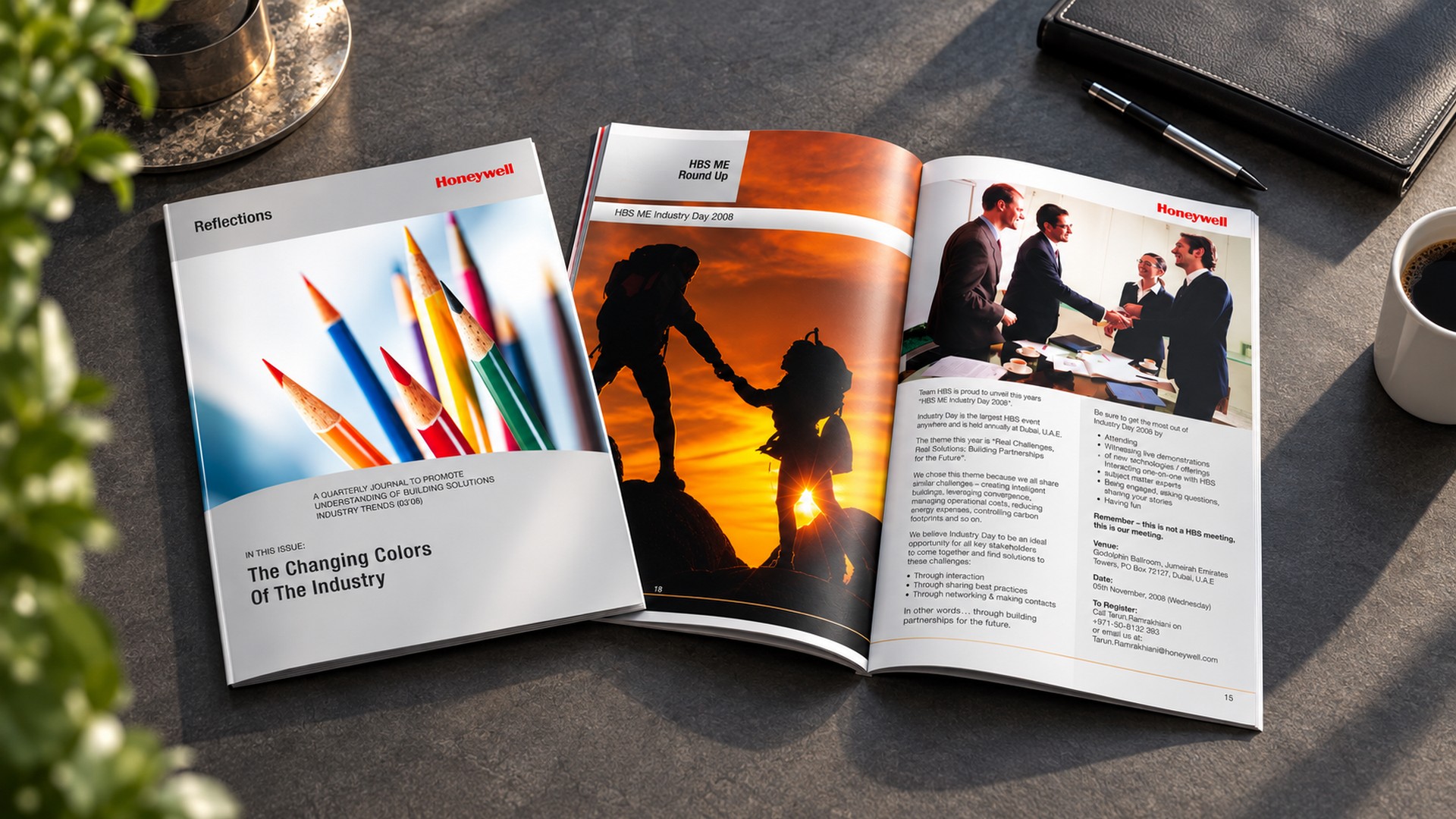
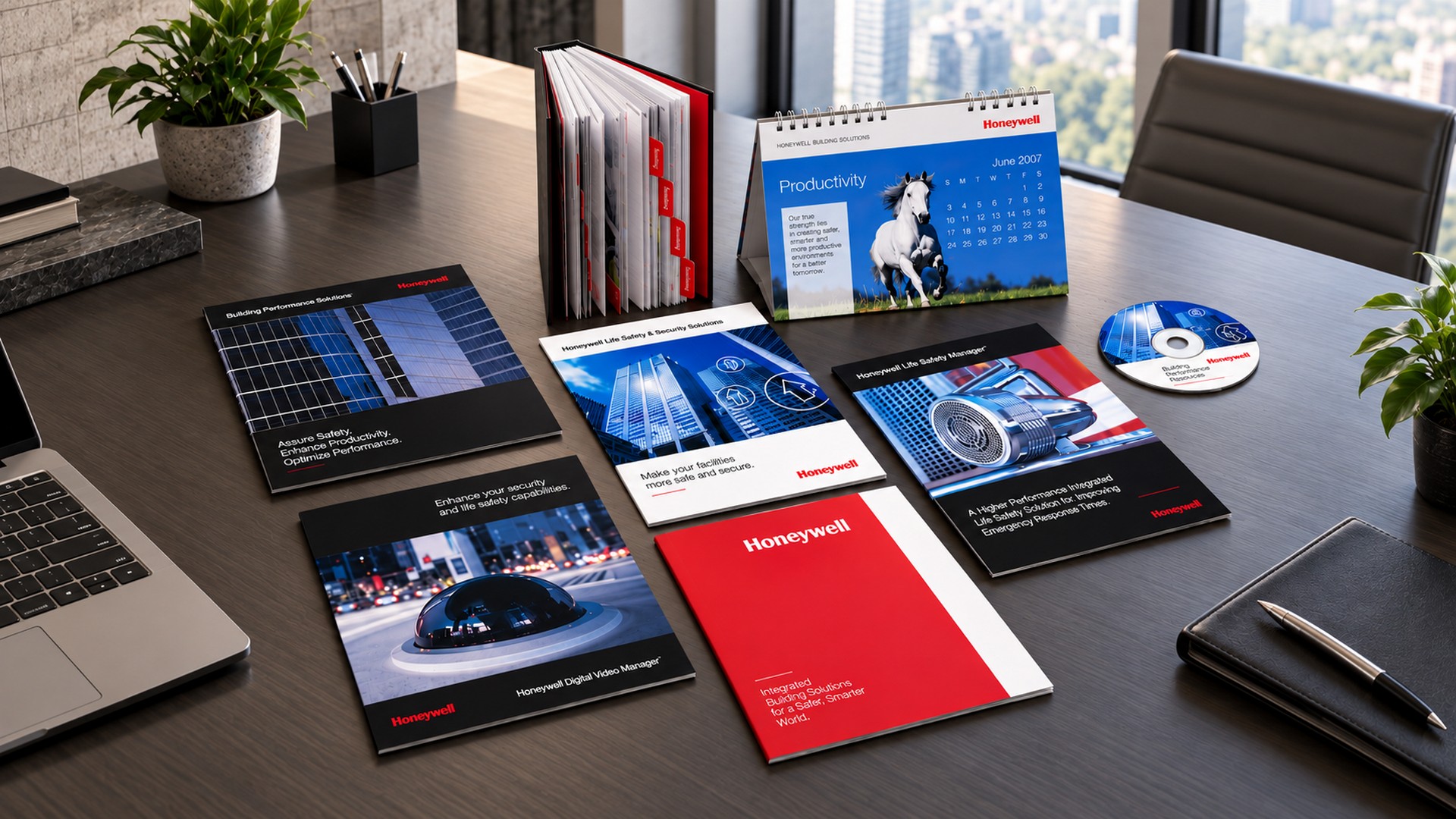
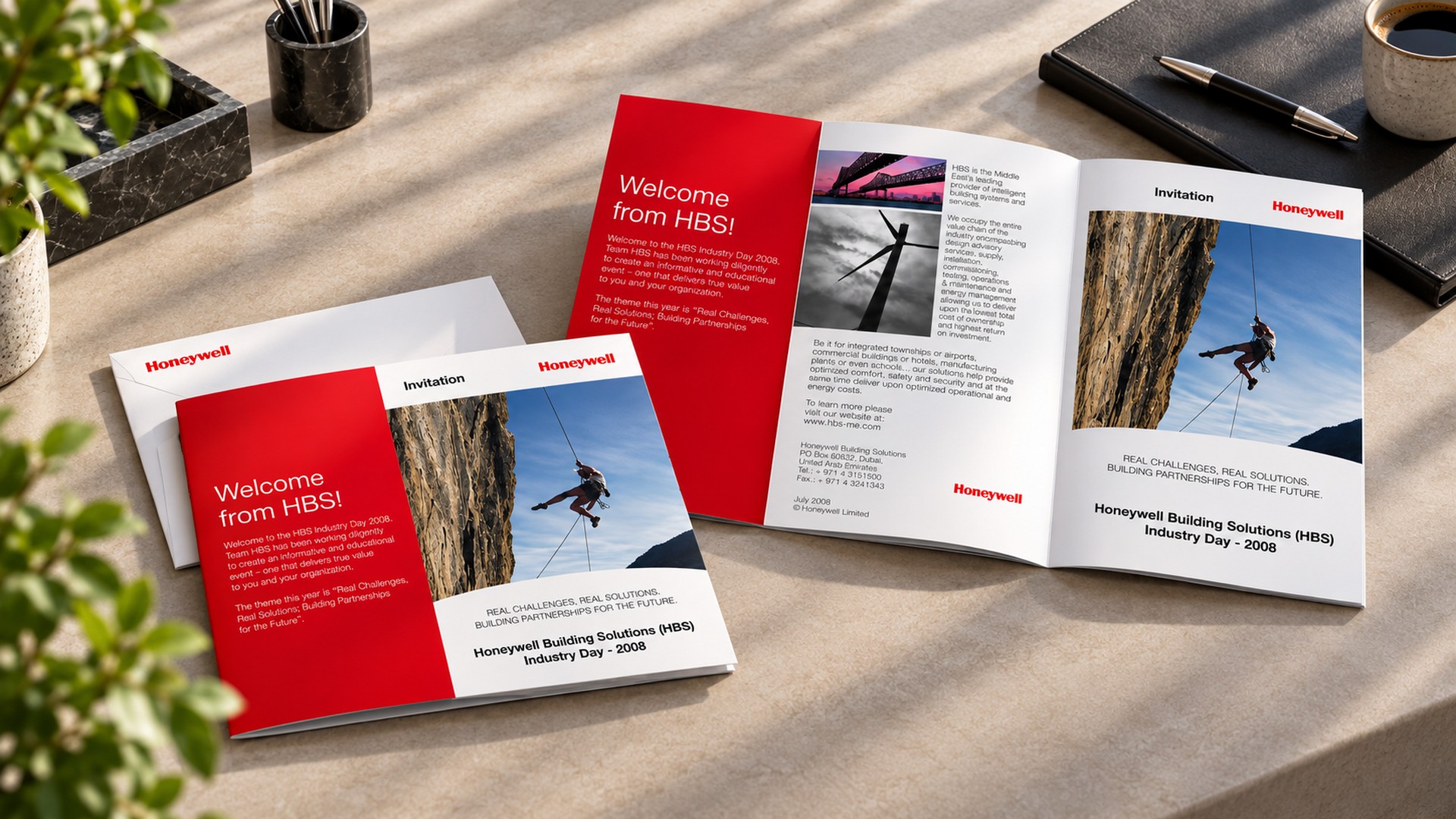
The strategy was then expressed through a unified visual language, strengthened identity system, service-specific iconography and a comprehensive suite of marketing and sales communications. Importantly, Lokusdesign mapped the decision-making journey for different customer segments, ensuring that communication was relevant at each critical touchpoint rather than functioning as isolated collateral.
The result was a clearer, more value-led and scalable communication ecosystem for Honeywell Building Solutions – strengthening brand credibility, improving engagement across stakeholder groups and giving the sales organisation sharper tools to support conversion. The engagement was also associated with outcomes including greater customer stickiness, incremental business and quicker collections, as reflected by the client.