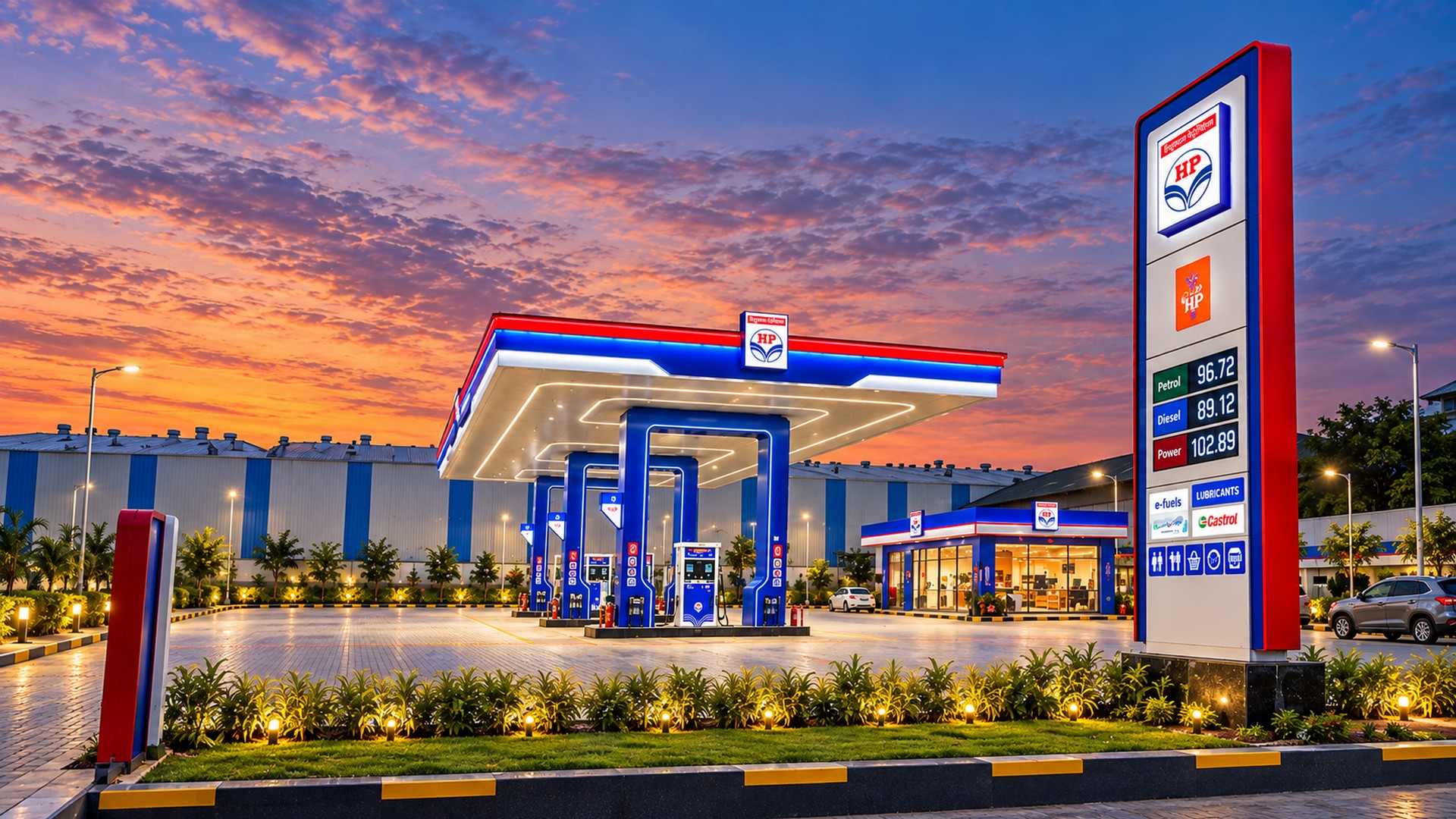
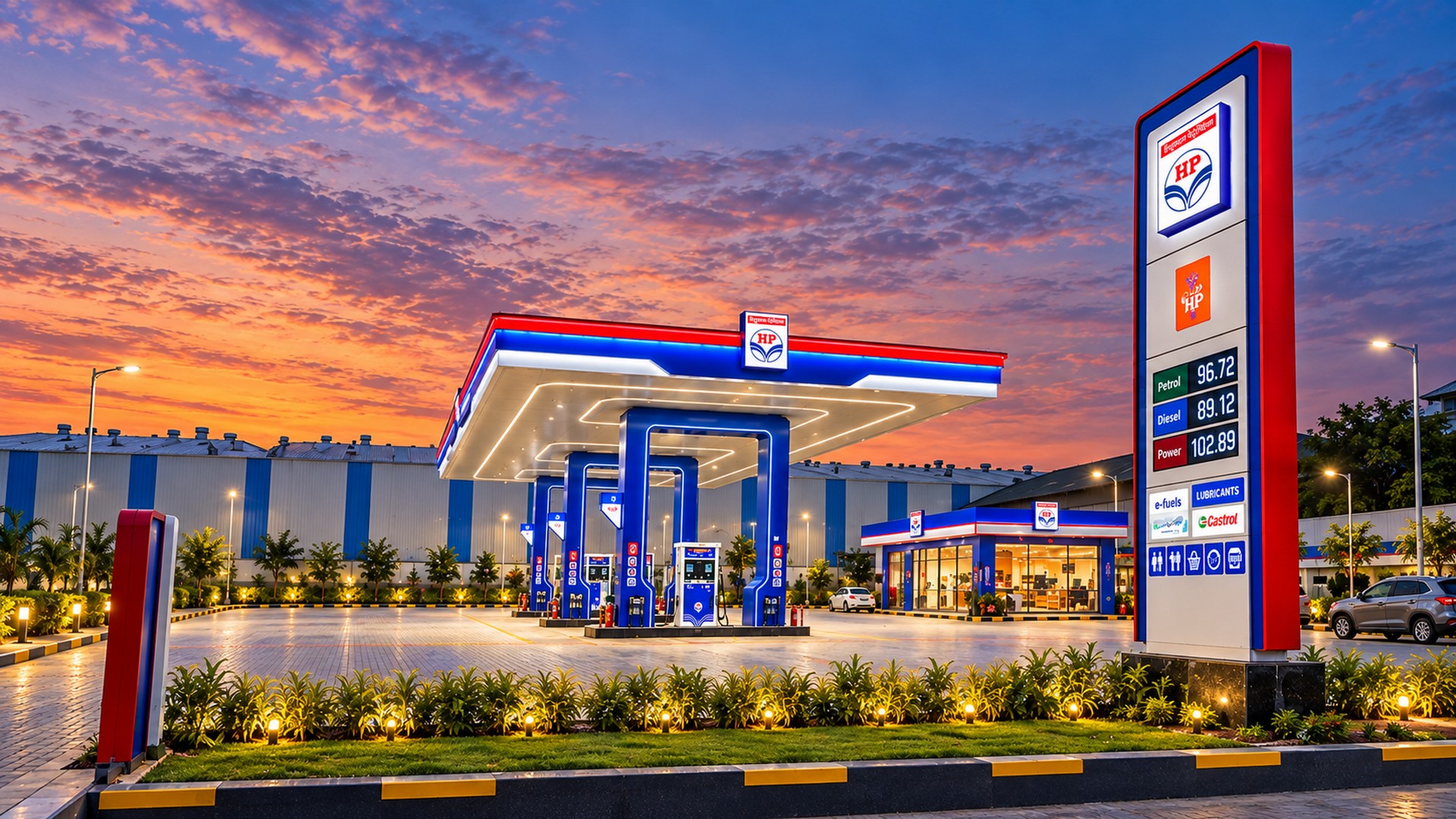
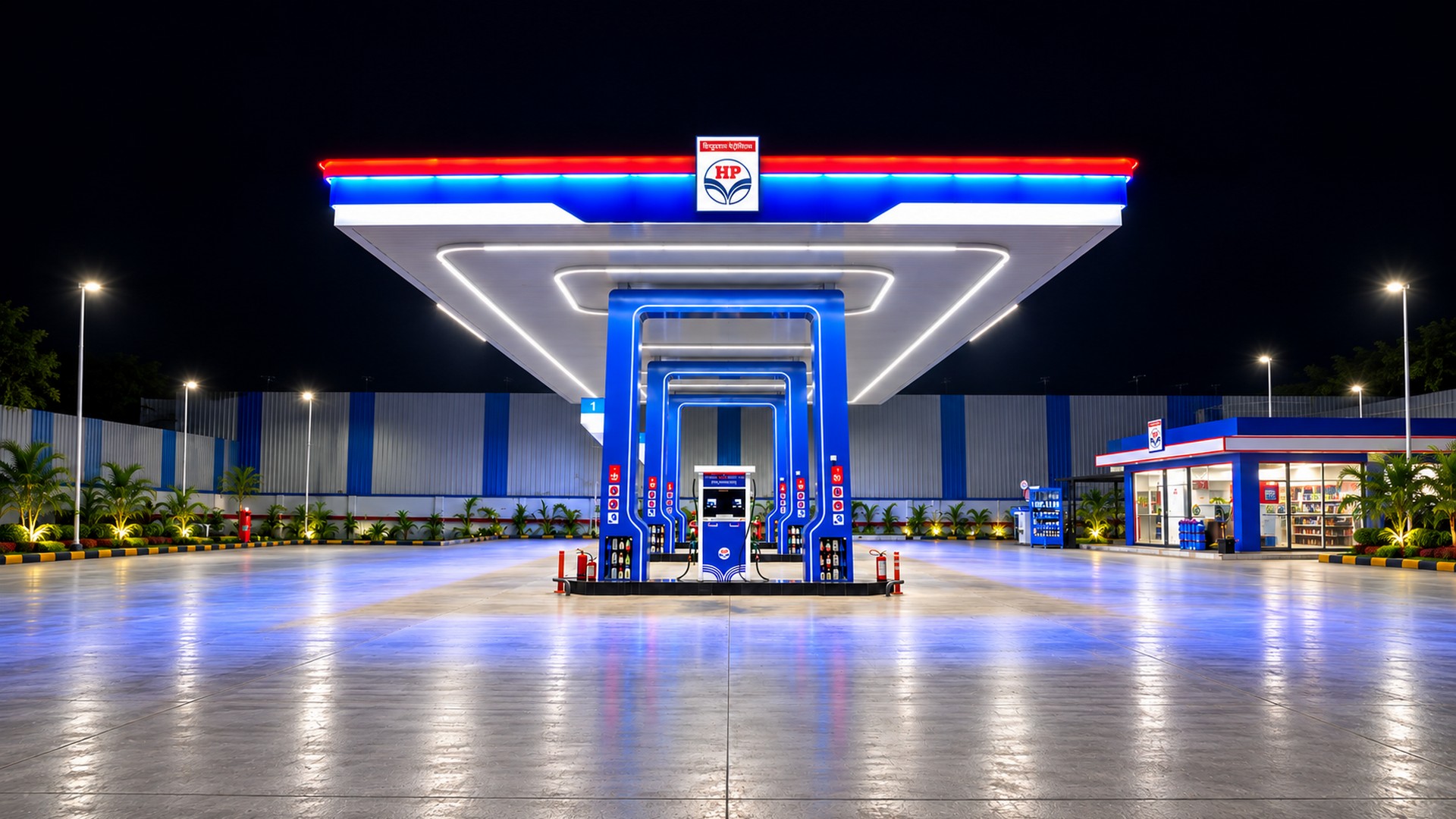
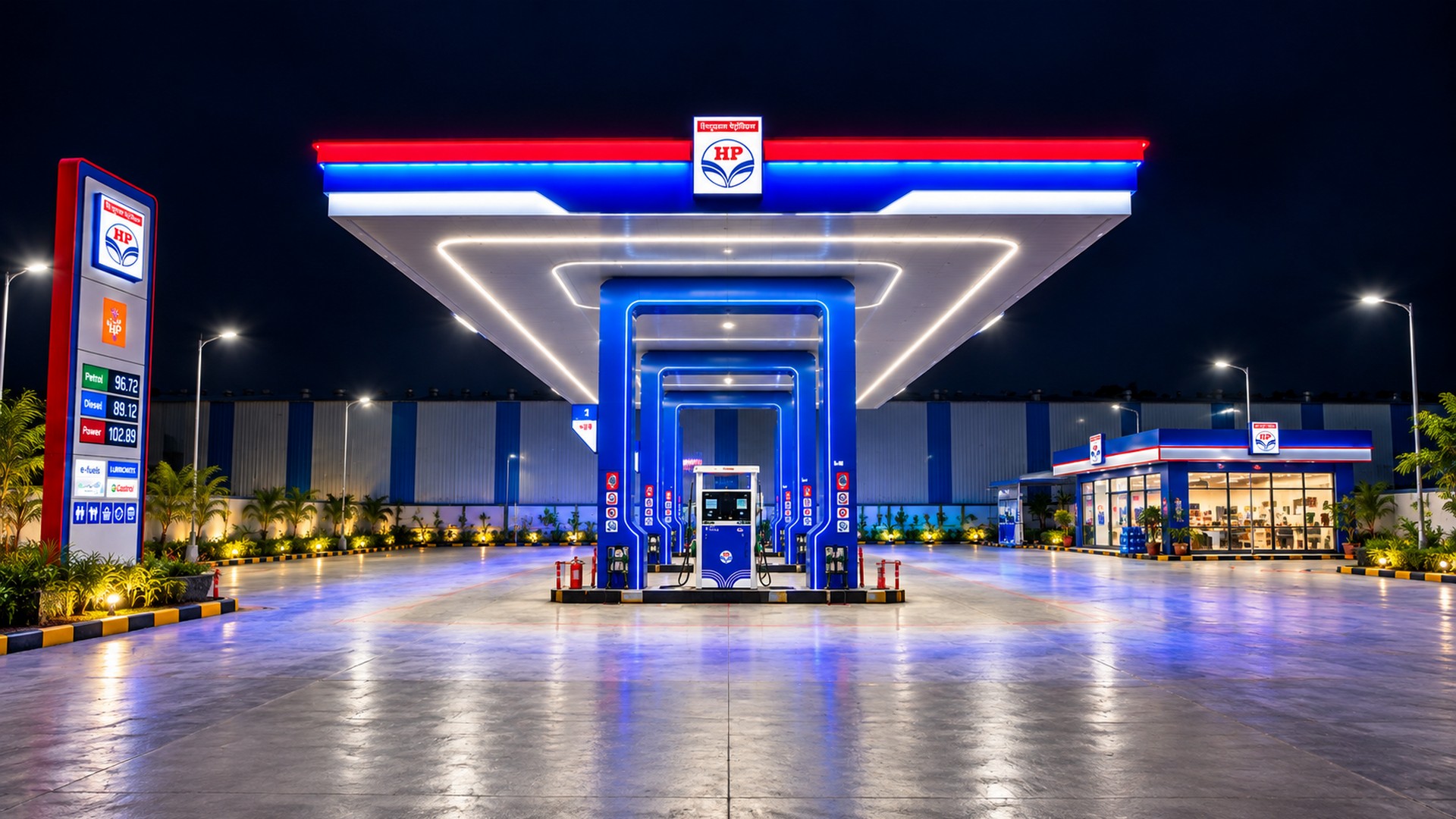
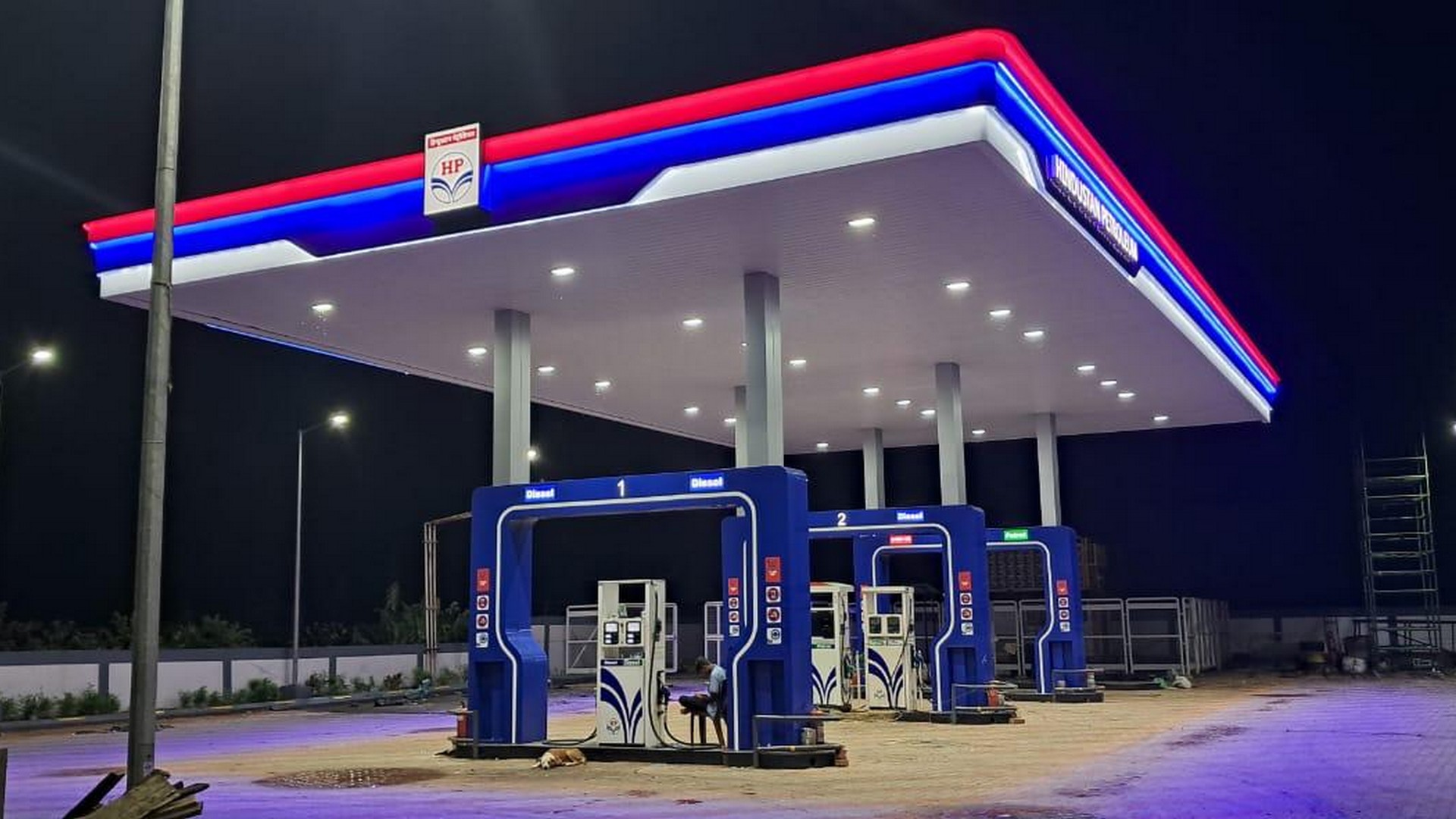
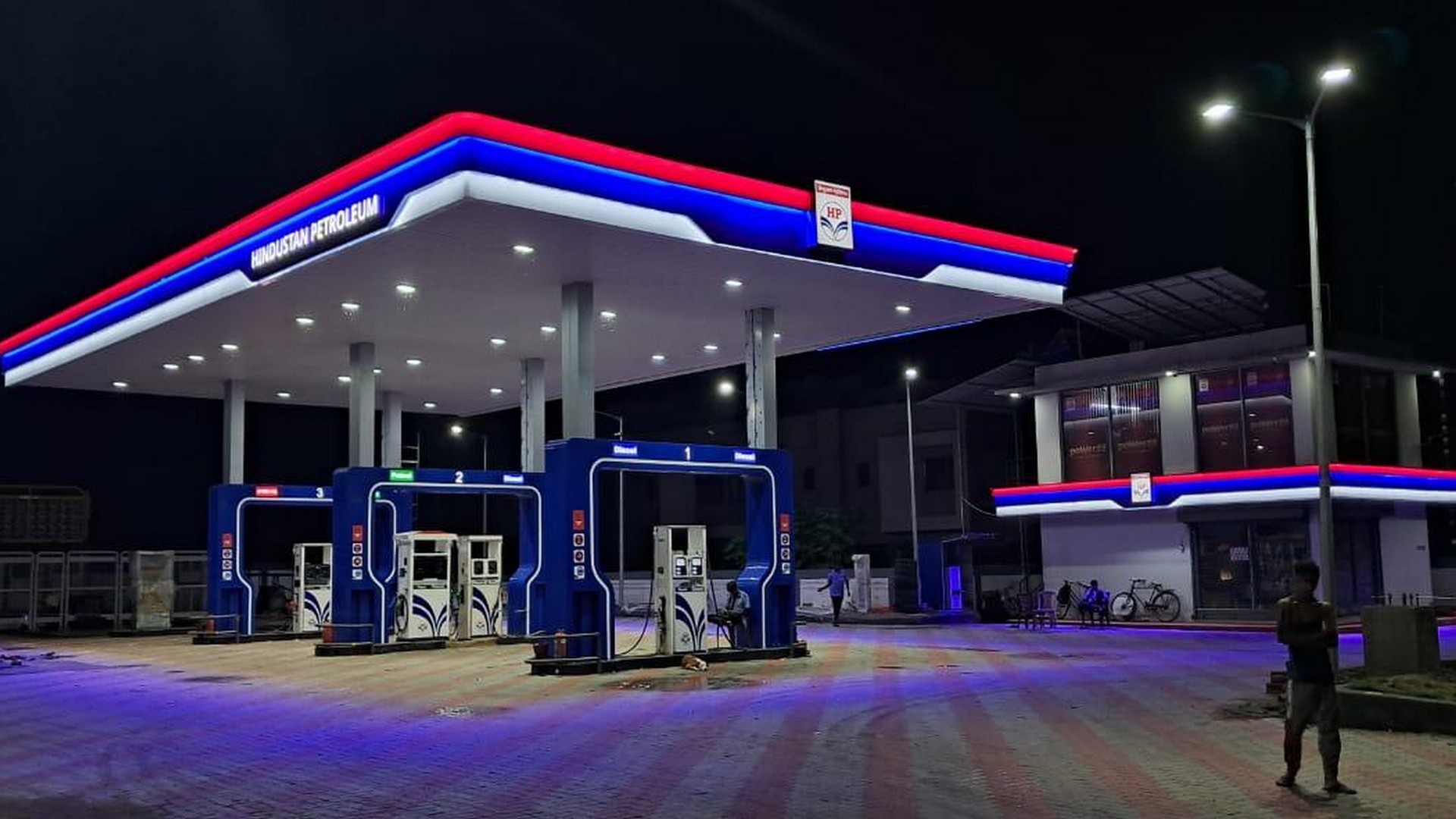
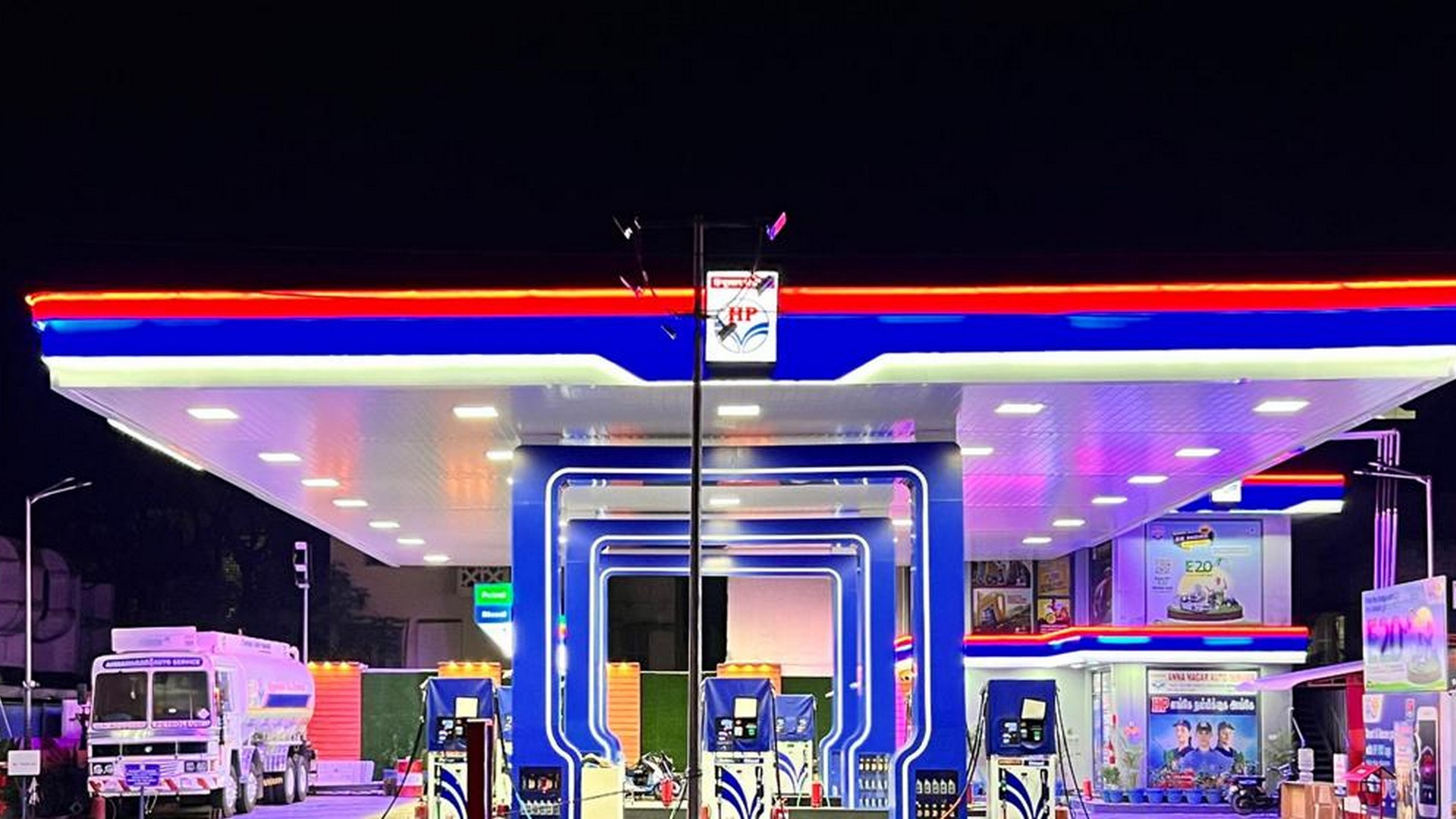
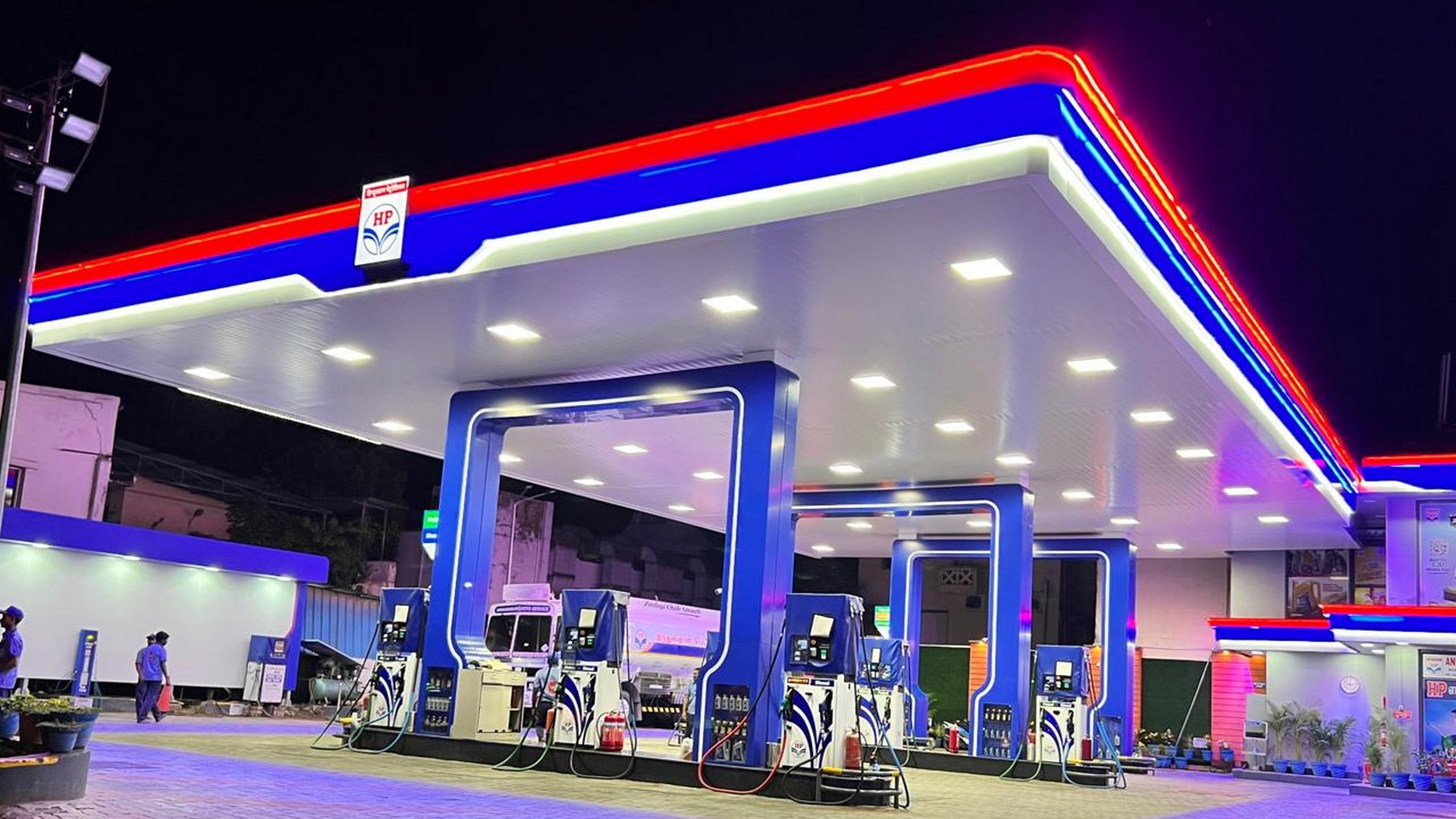
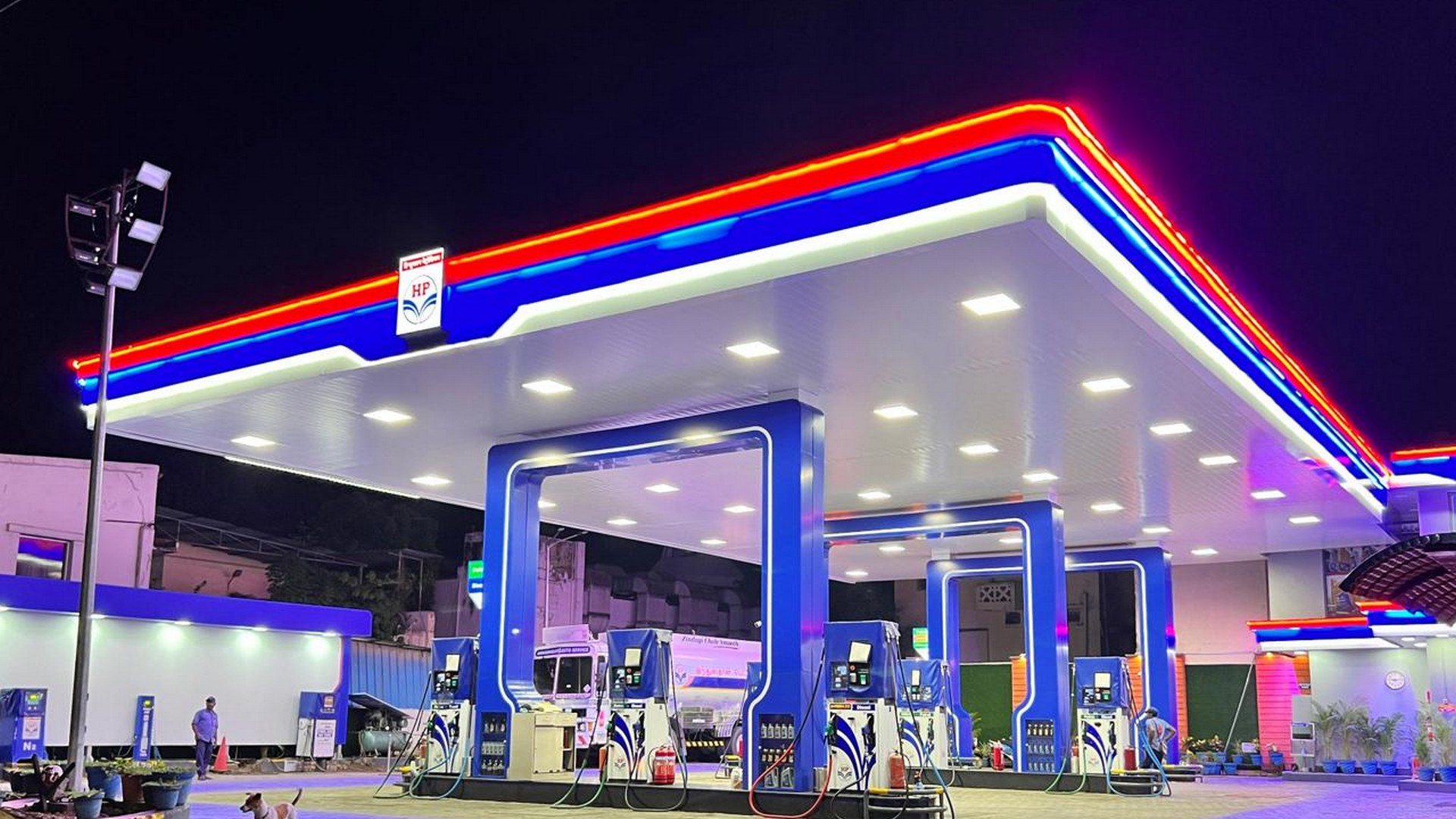
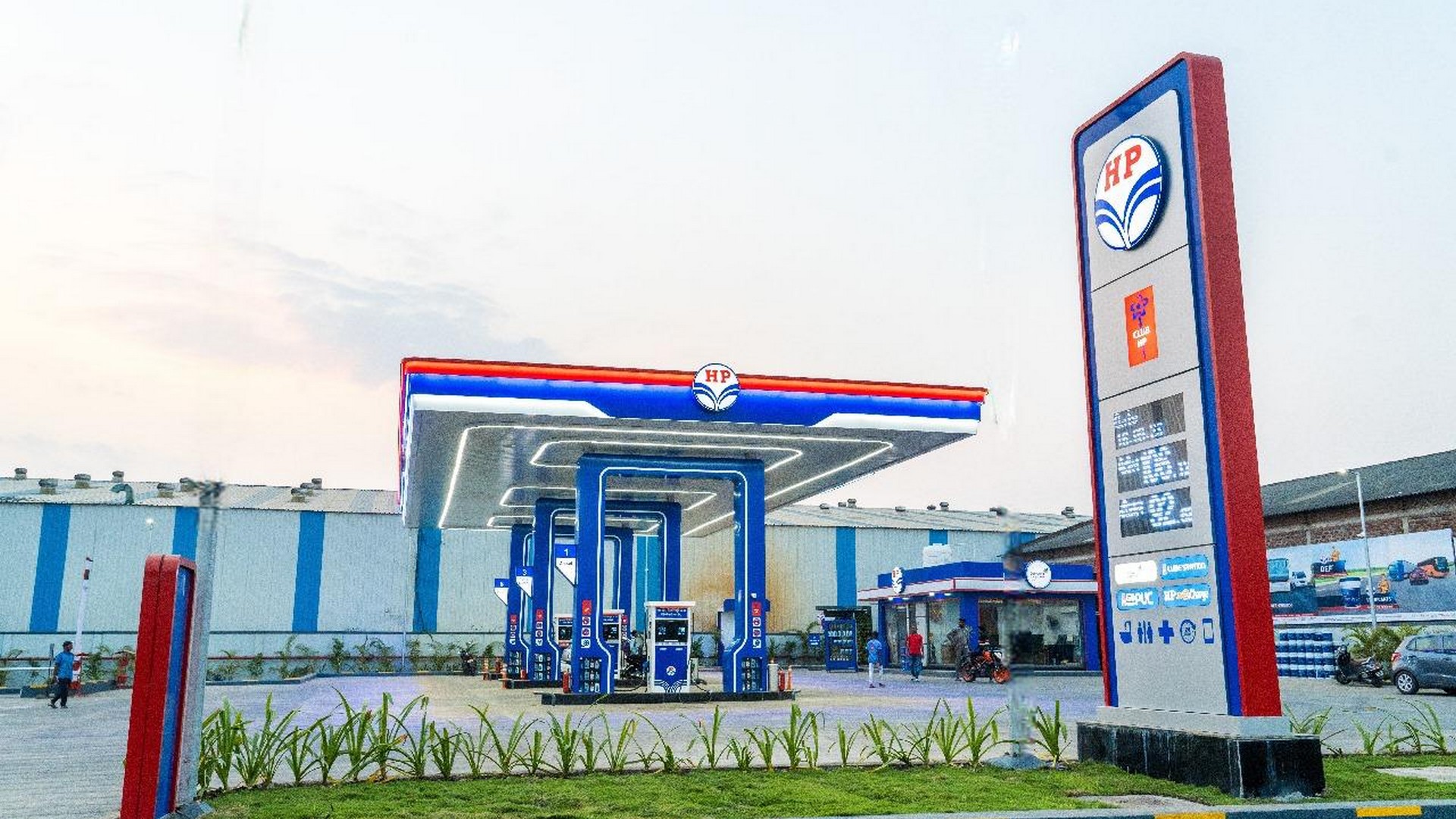
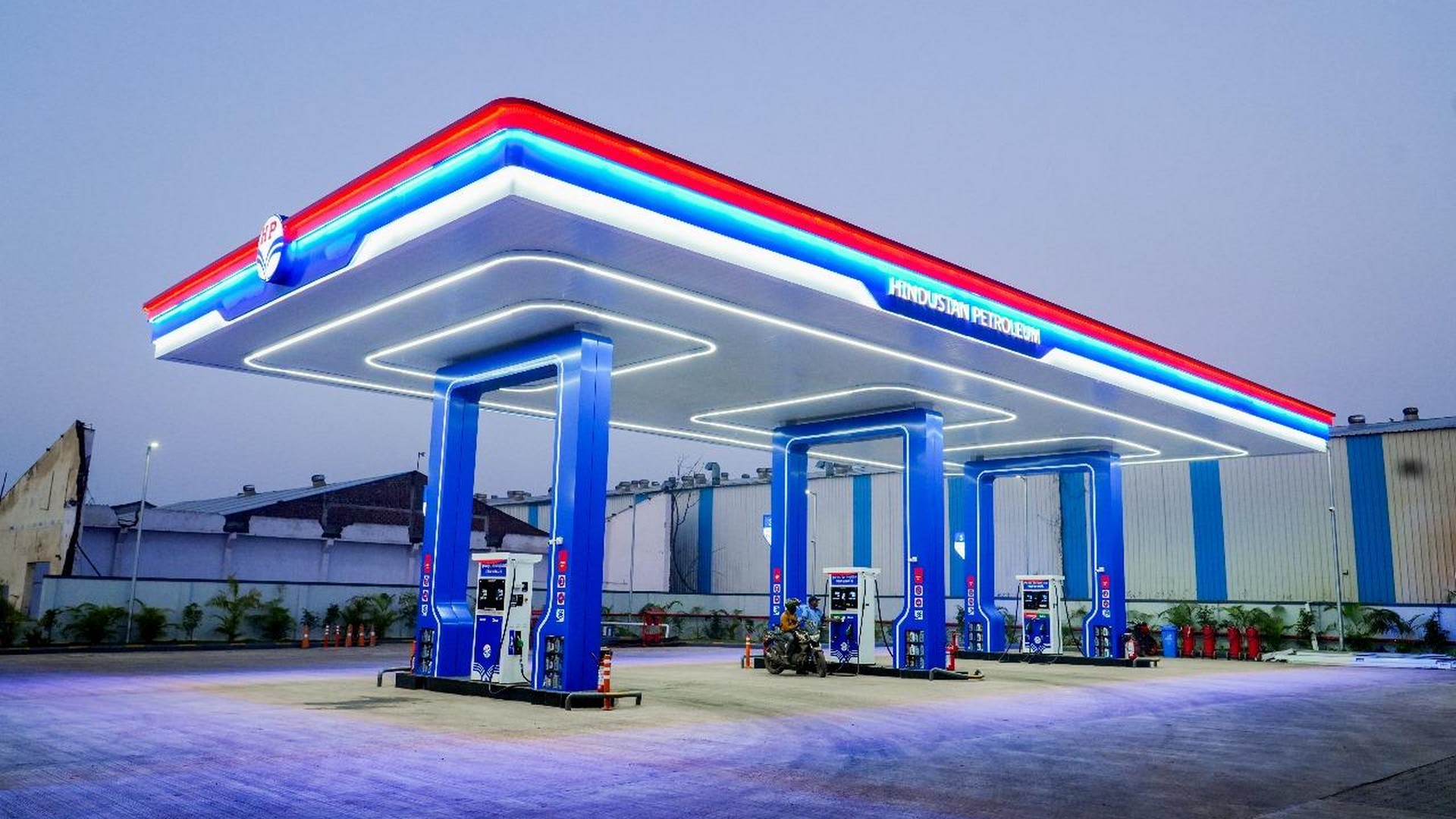
With a vast retail network serving millions of customers across diverse geographies, HPCL faced a challenge that went well beyond designing individual fuel stations.
The visible brief was to modernise the retail environment.
The hidden business brief was:
How could HPCL create a consistent, contemporary customer experience across a highly distributed network, while reducing the cost, time and operational complexity of building, maintaining and repairing that network?
The challenge intensified as competition in fuel retail grew, and customer expectations evolved. HPCL needed to strengthen brand differentiation while simultaneously improving the economics of a large and geographically dispersed network. Different site conditions, infrastructure, customer flows, and levels of brand expression created inconsistency. More importantly, CapEx, OpEx and time-to-market were affected by the complexity of executing and maintaining the experience across the network.
Materials and components that worked in one location could become difficult and expensive to source, transport, replace or repair in remote parts of India.
Damage → Replacement → Procurement → Logistics → Installation → Downtime
This created recurring costs, longer repair cycles, and operational complexity.
The business therefore needed to address:
• Increasing competition and the need for stronger brand differentiation.
• CapEx efficiency across a large and diverse network.
• OpEx reduction through easier maintenance and replacement.
• Time-to-market through faster, simpler deployment.
• Material durability to reduce damage.
• Remote-location constraints, repair time and cost, particularly when damaged elements required specialised replacement.
• Network diversity, requiring adaptability across urban, highway and smaller-format sites.
• Future readiness, including EV charging and emerging smart services.
The strategic question became:
How can design turn HPCL’s network complexity into a more consistent, cost-efficient and scalable retail experience – reducing CapEx, OpEx, time-to-market and lifecycle complexity while strengthening the brand?
Lokusdesign reframed the assignment from outlet design to network-wide experience architecture. We mapped the customer journey, from arrival and navigation to fueling, payment, amenities and departure, alongside the operational realities of building and maintaining the network.
We identified the physical, visual, and operational touchpoints that shaped both customer experience and lifecycle cost.
We then created an integrated system connecting:
Brand Strategy → Customer Journey → Spatial Design → Signage → Communication → Materials → Operations
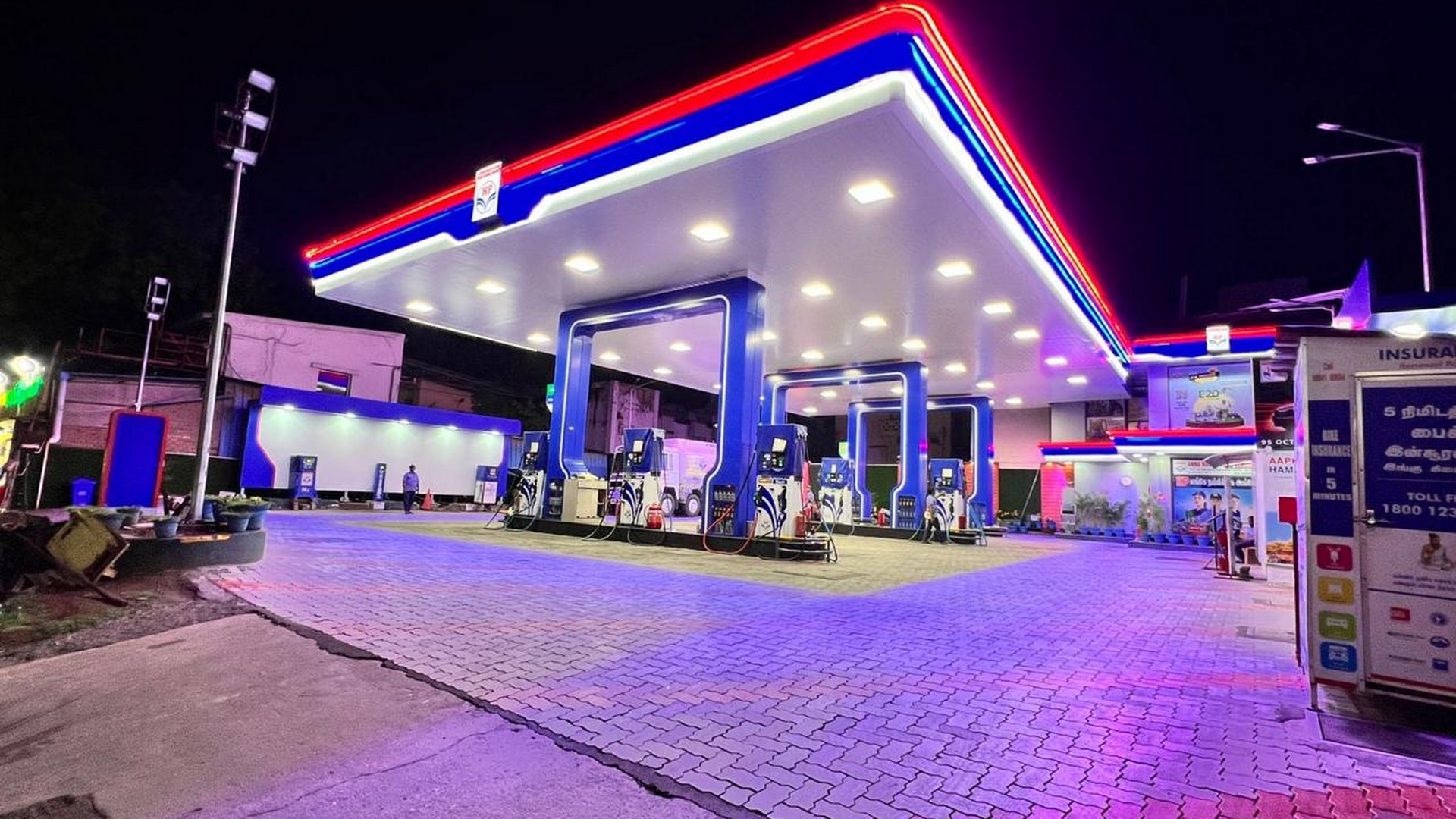
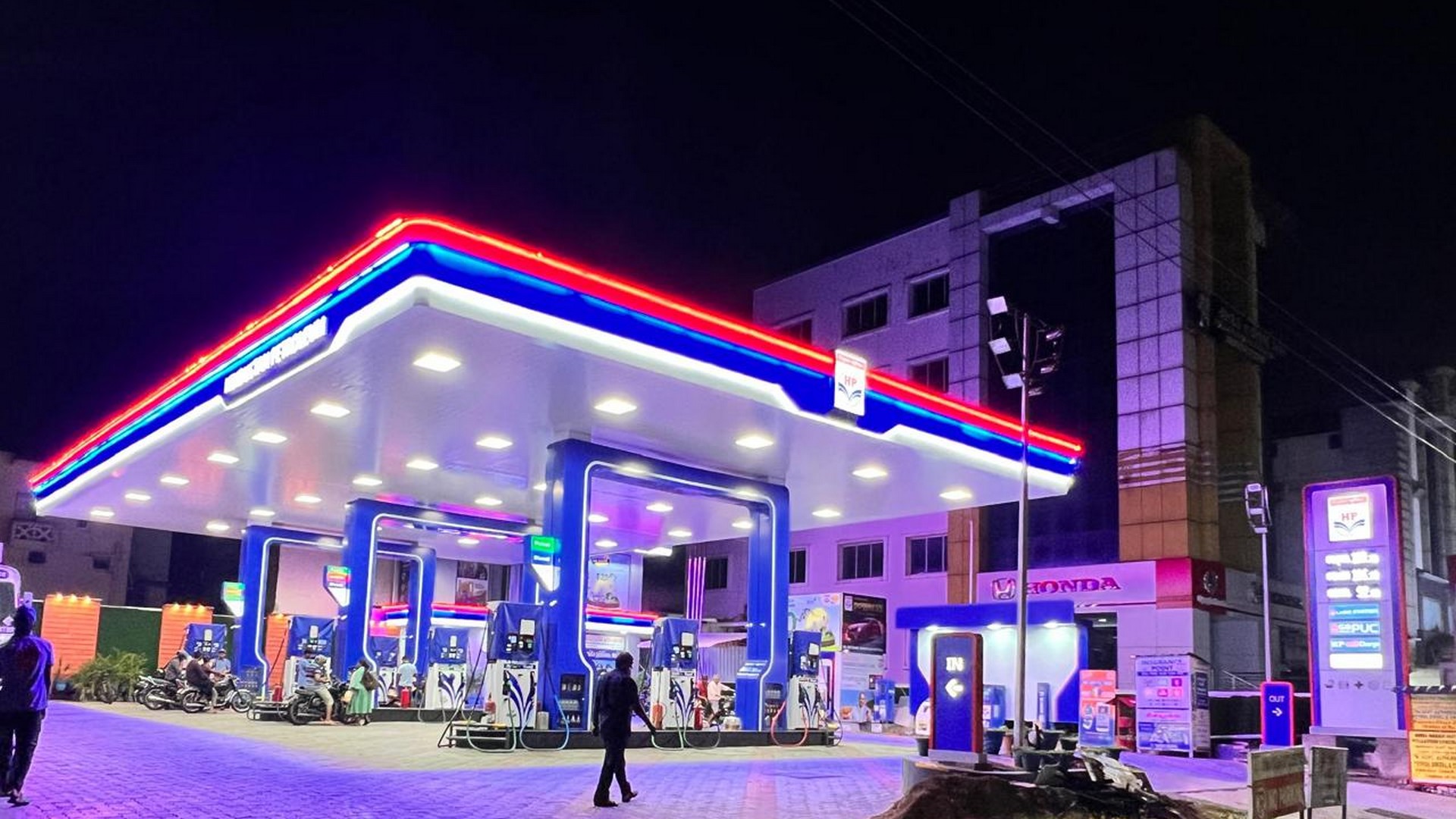
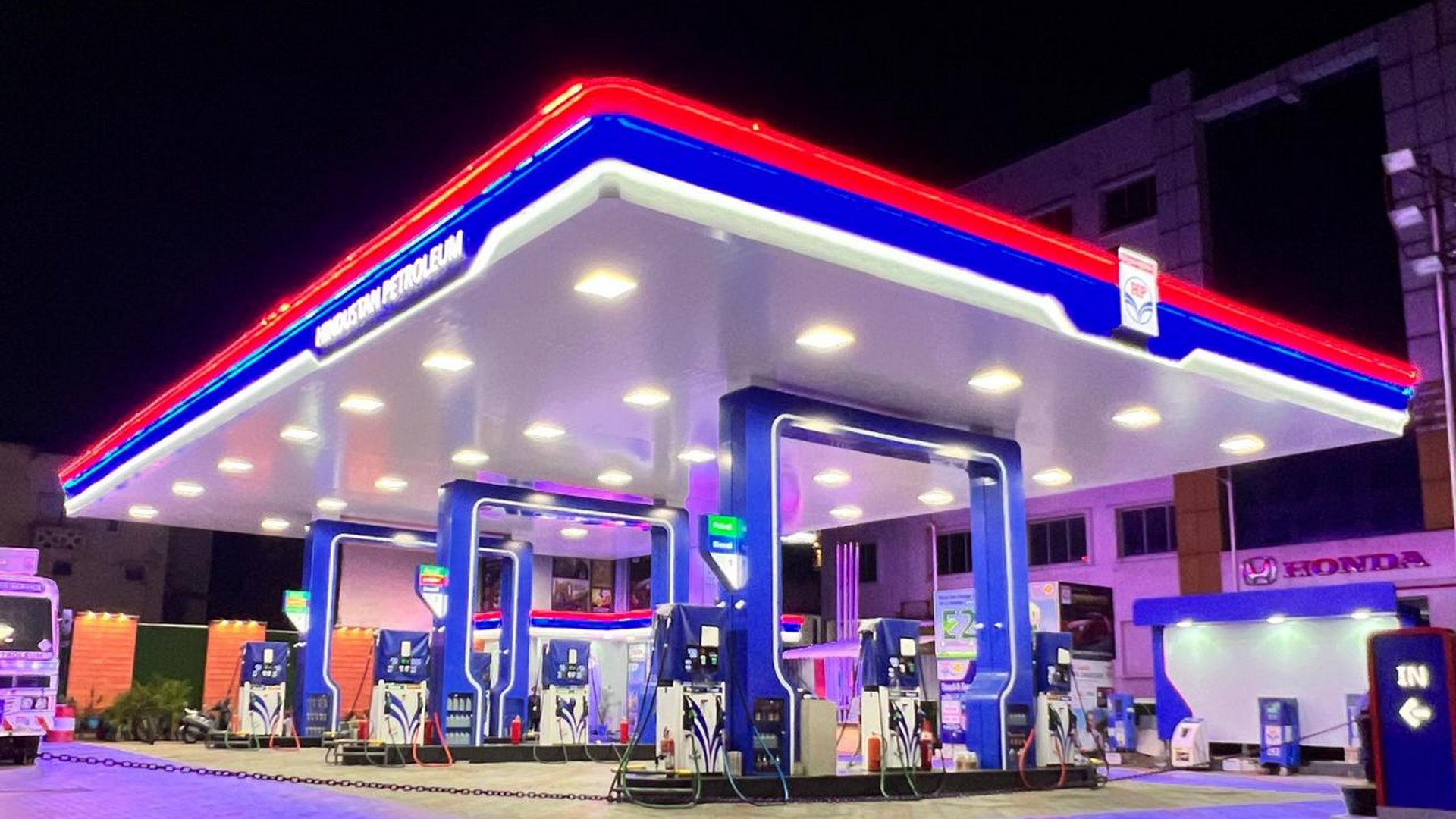
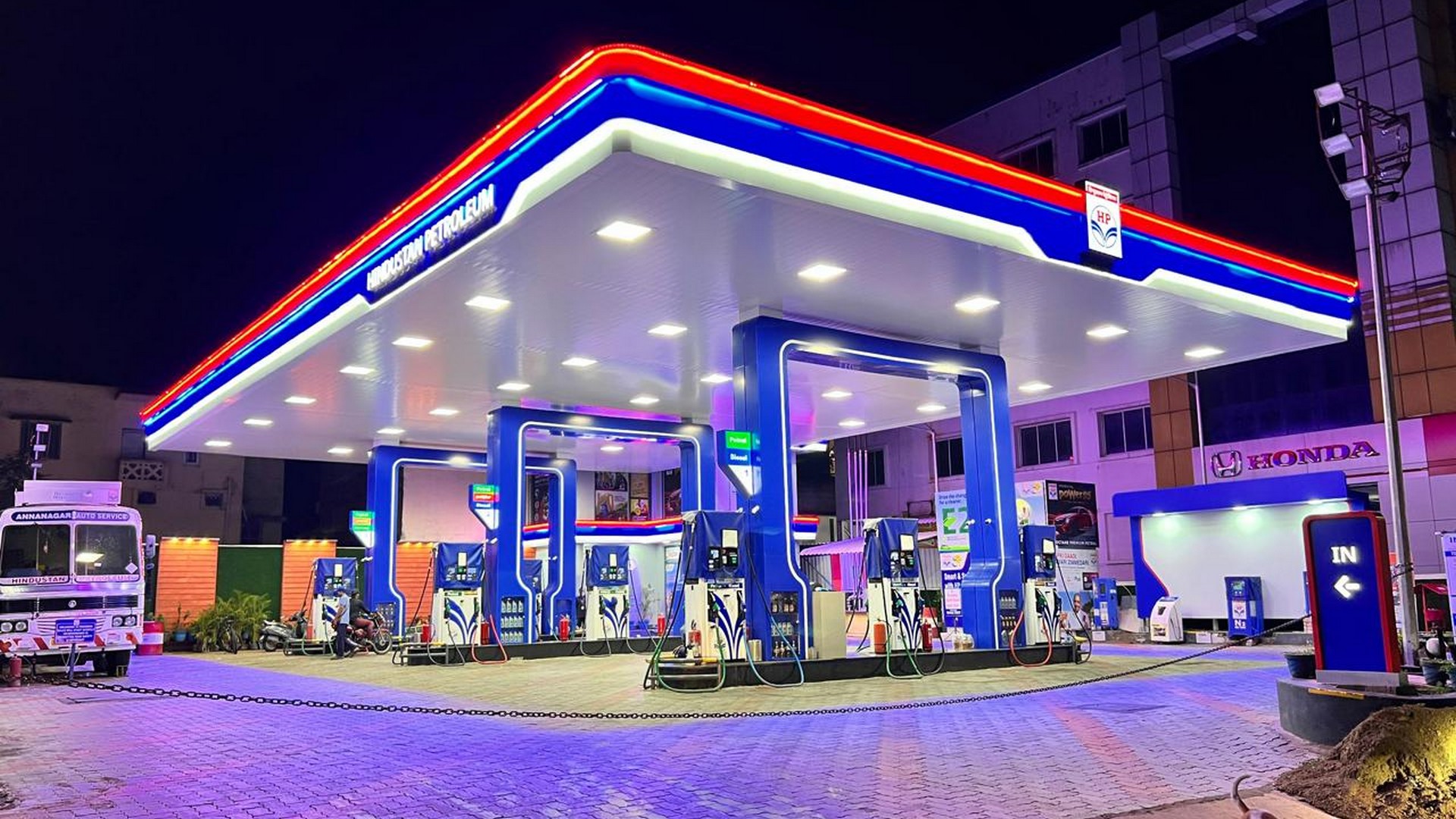
The critical intervention was a modular, standardised design system that established a consistent HPCL experience while adapting to different site conditions. Distinctive brand elements created recognition. Modular components created flexibility. Standardised specifications simplified execution. Material selection considered not only appearance but also durability and lifecycle cost.
This changed the economics of the network:
CAC ↓
A stronger and more recognisable brand + clearer customer journey + intuitive communication
→ reduced customer friction
→ stronger brand engagement and more efficient customer acquisition.
CapEx ↓
Modular design + standardised specifications + material optimisation + reduced bespoke fabrication
→ lower design and implementation complexity
→ more predictable investment across sites.
OpEx ↓
Durable materials + simplified components + easier maintenance
→ reduced lifecycle effort
→ lower repair and maintenance dependency.
Time-to-Market ↓
Standardised design components + repeatable specifications + simplified implementation
→ faster deployment across new and existing locations.
Scale ↑
One core experience system + configurable modules
→ adaptation across urban, highway and smaller-format sites
→ future integration of EV and smart services
→ consistent brand experience without treating every location as a new design problem.
Lokusdesign transformed HPCL’s retail environment from a collection of individual outlets into a coherent, scalable customer experience platform.
Network Complexity → Experience Architecture → Standardisation → Faster Deployment → Lower Lifecycle Complexity → Scalable Growth
The result was not simply a more contemporary fuel station.
It was a business system designed to make the HPCL brand more consistent, customer interactions easier, investment more productive, and the network more economical to build, maintain and scale.
Lokusdesign used design to convert the complexity of a national retail network into a scalable system – balancing brand experience, customer convenience, CapEx, OpEx, time-to-market and Scale.