Indegene was growing rapidly across capabilities, geographies and life sciences markets. Its challenge was no longer simply to build awareness; it was to ensure that the value the market already experienced was reflected in the brand.
The visible brief was brand transformation. The hidden business brief was more fundamental: How could Indegene convert its expanding capabilities and strong customer value into a differentiated global brand, while making the brand significantly easier to manage and scale?
Conversations with global and Indian customers revealed a significant perception gap. Customers who had used Indegene’s products and services often perceived its capabilities more strongly than the brand communicated externally. Yet the market often saw Indegene as a service provider, rather than the global solution partner it was capable of being. The value existed; the brand was not capturing it.
At the same time, rapid growth had created an increasingly complex internal brand ecosystem. Too many sub-brands, brand properties, communication assets and interpretations had accumulated across service lines, markets and teams. With a growing number of people creating and managing brand assets, consistency became difficult to maintain. The result was a brand that could become weak, sporadic, and chaotic, increasing the effort required from the brand team and making every new market, offering or communication requirement harder to manage.
The business challenge therefore became:
Under-communicated Value + Fragmented Brand Architecture + Growing Brand Complexity → Lost Market Opportunity + Increasing Management Effort
Lokusdesign started by looking beyond the existing brand expression to understand the gap between what Indegene could deliver, what customers experienced, and what the market perceived.
We brought together business strategy, customer insight, competitive context, service capabilities and the existing brand ecosystem to identify the opportunity: move Indegene from a collection of services and specialist capabilities to a coherent global solution partner for life sciences.
The transformation addressed the brand at both ends; market perception and internal manageability.
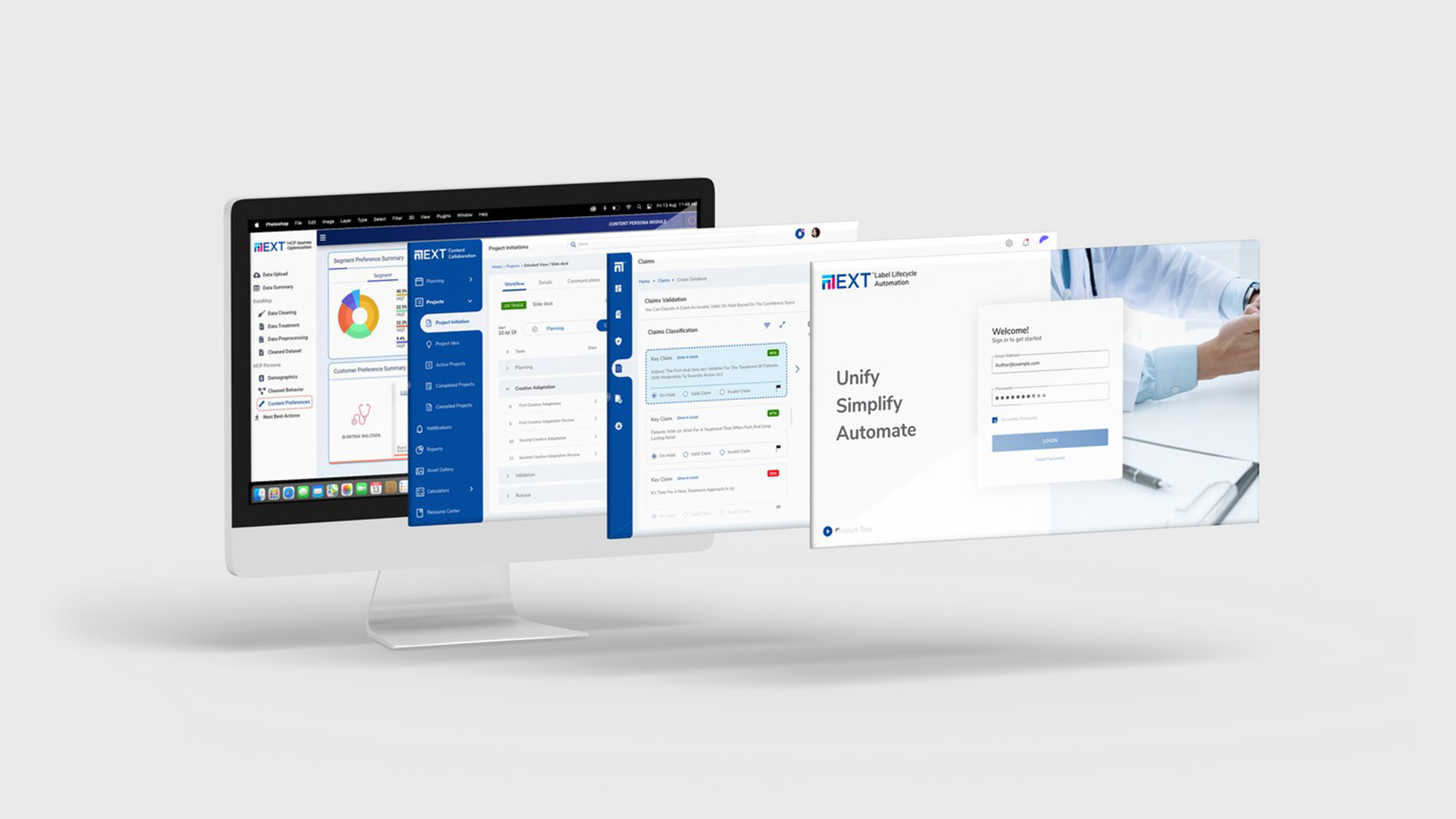
We clarified the strategic proposition and developed a brand architecture that brought diverse offerings under a stronger master-brand logic. Instead of allowing every capability, initiative, or service to create its own identity, the system established clear relationships between the Indegene brand, its offerings and its communications.
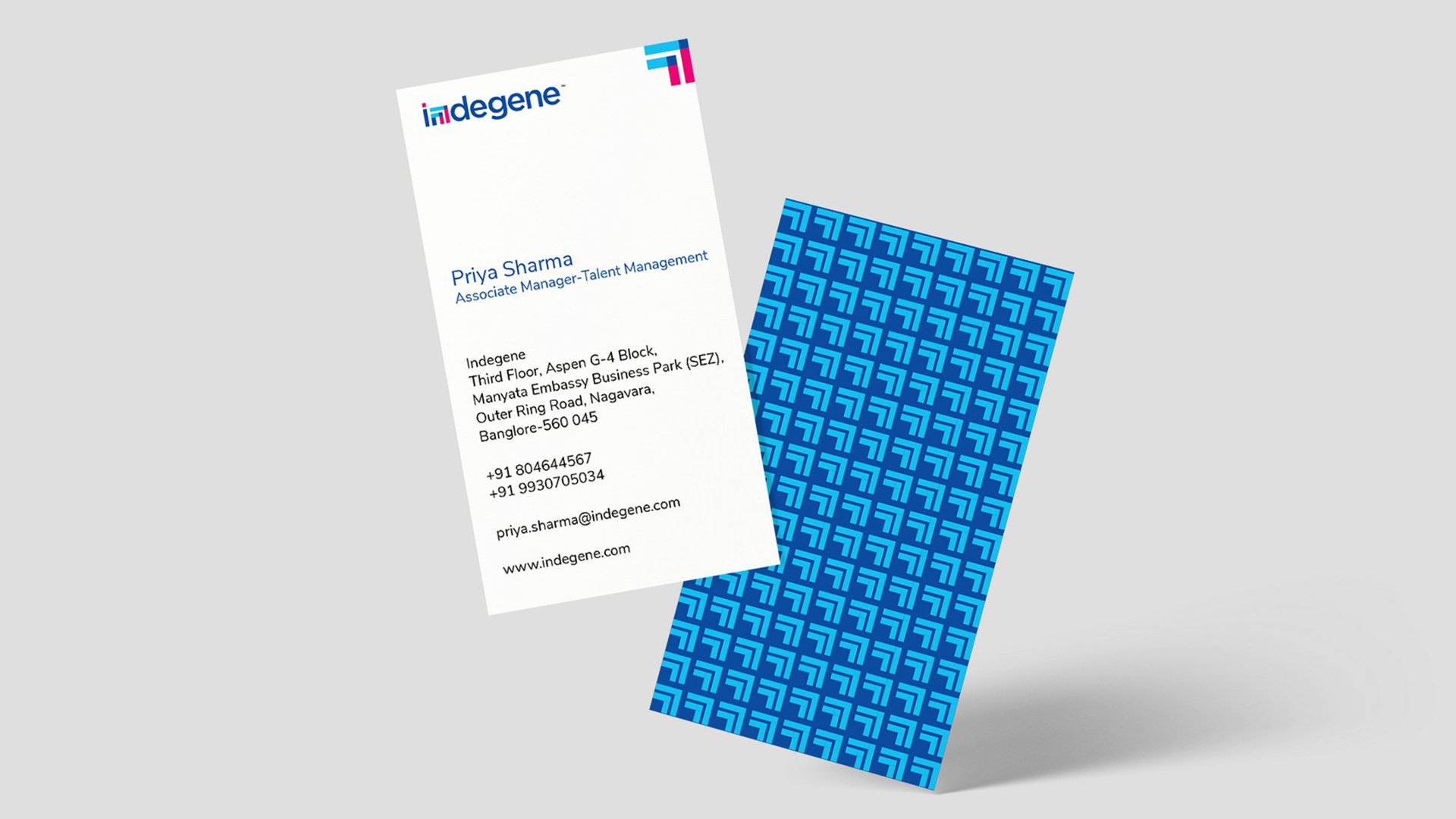
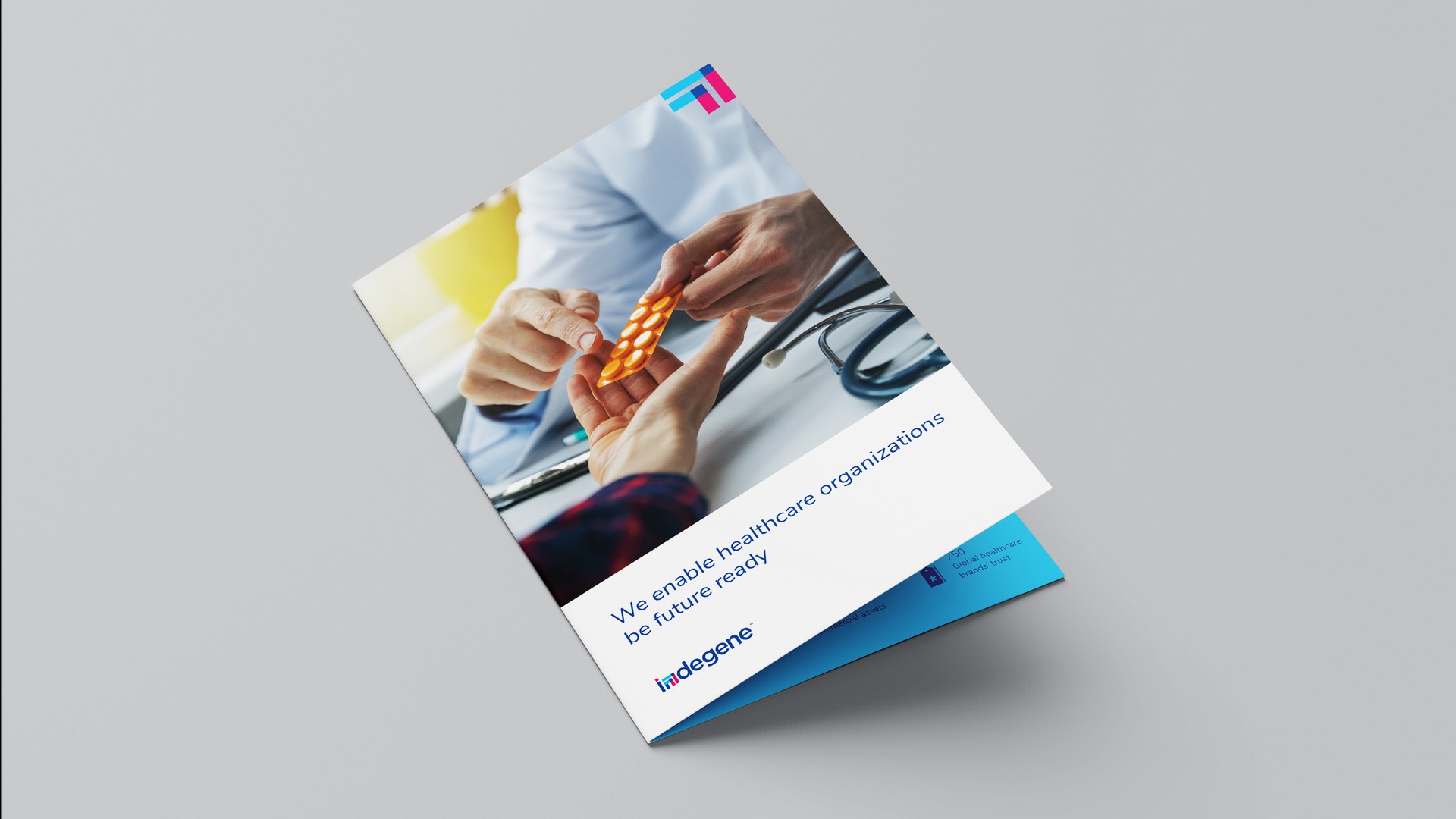
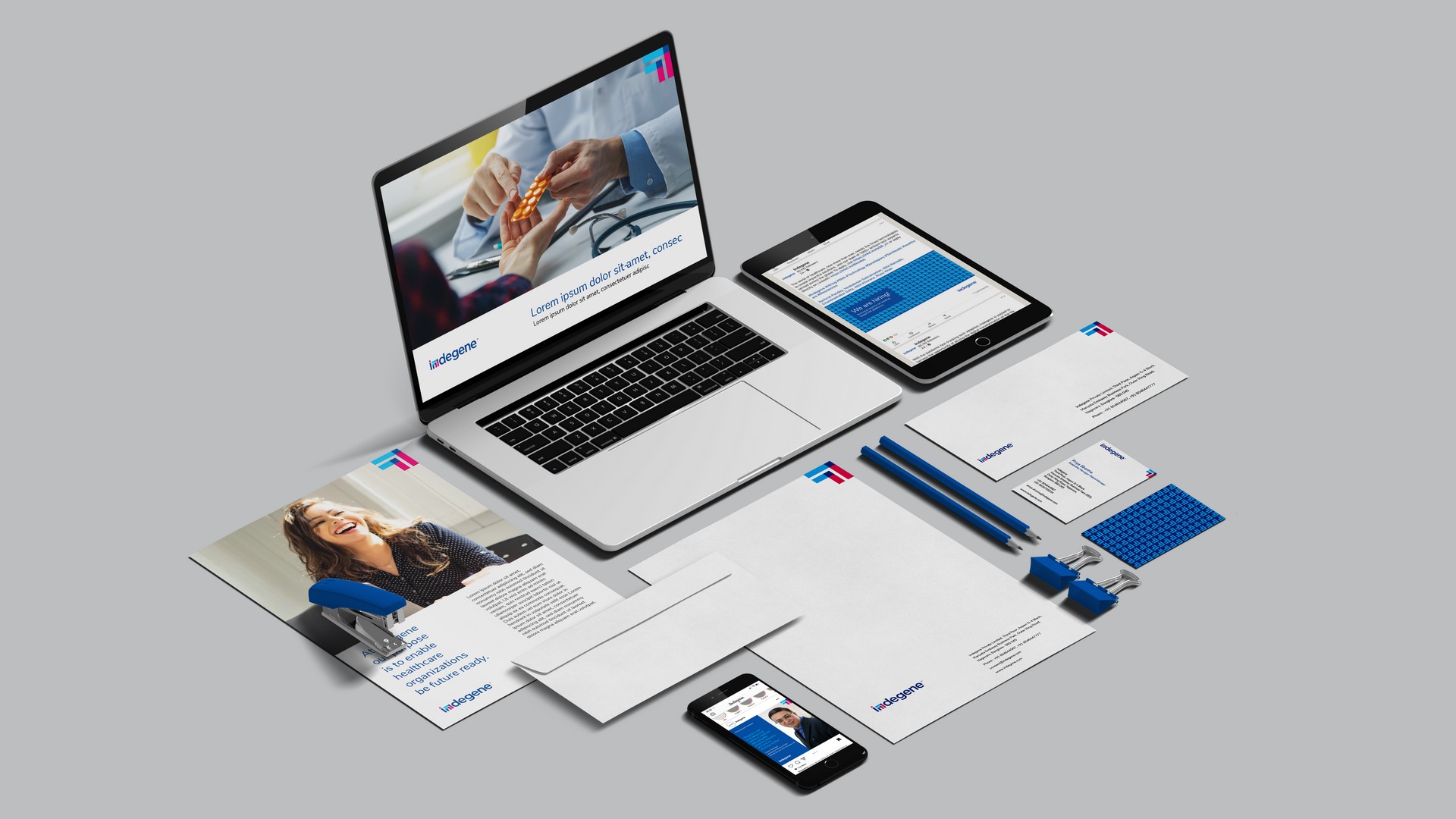
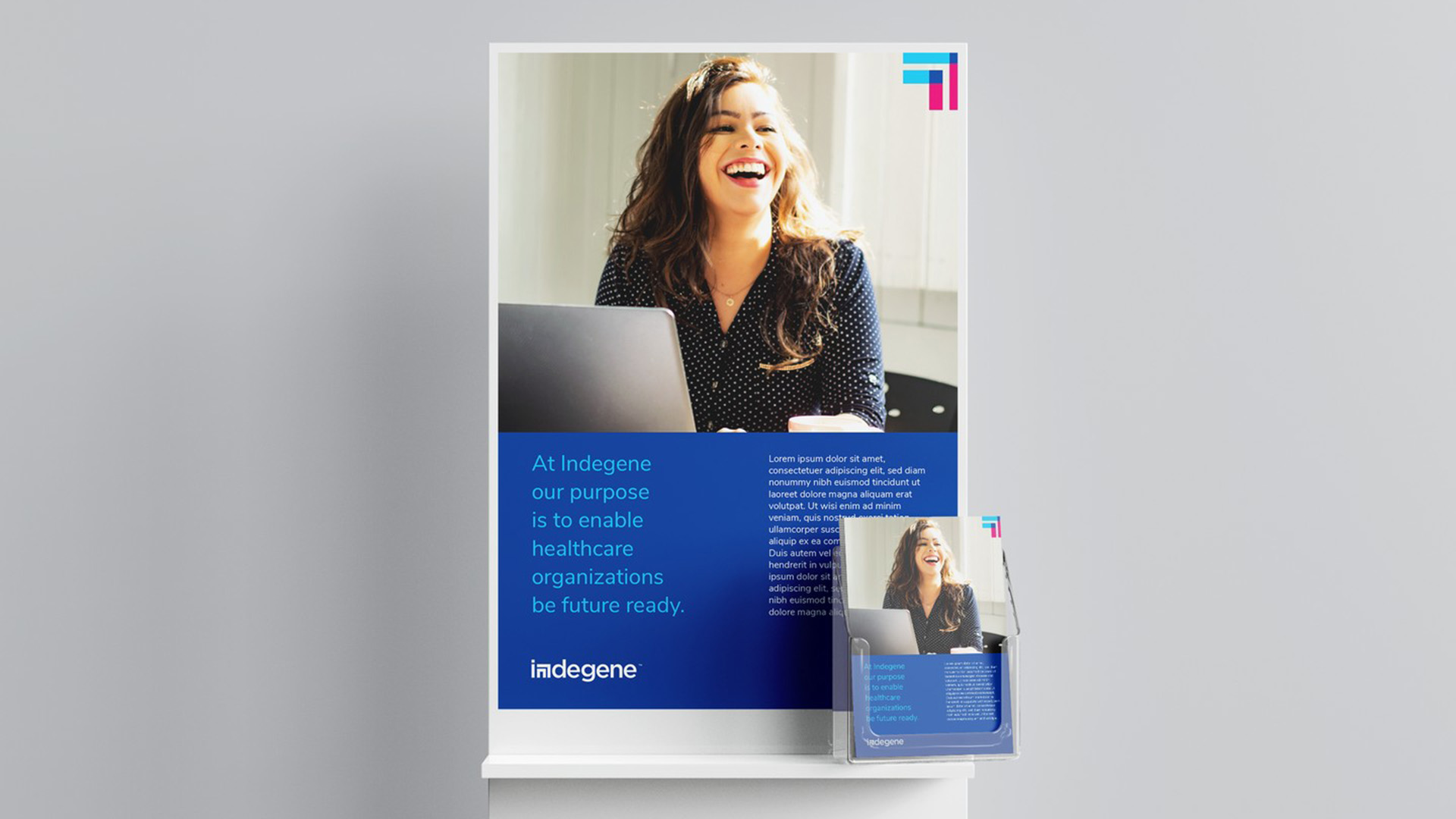
The visual identity was refreshed to create a more distinctive and globally consistent expression. Messaging and communication frameworks translated Indegene’s depth of expertise into clearer business value, helping shift the conversation from what Indegene does to what it enables its customers.
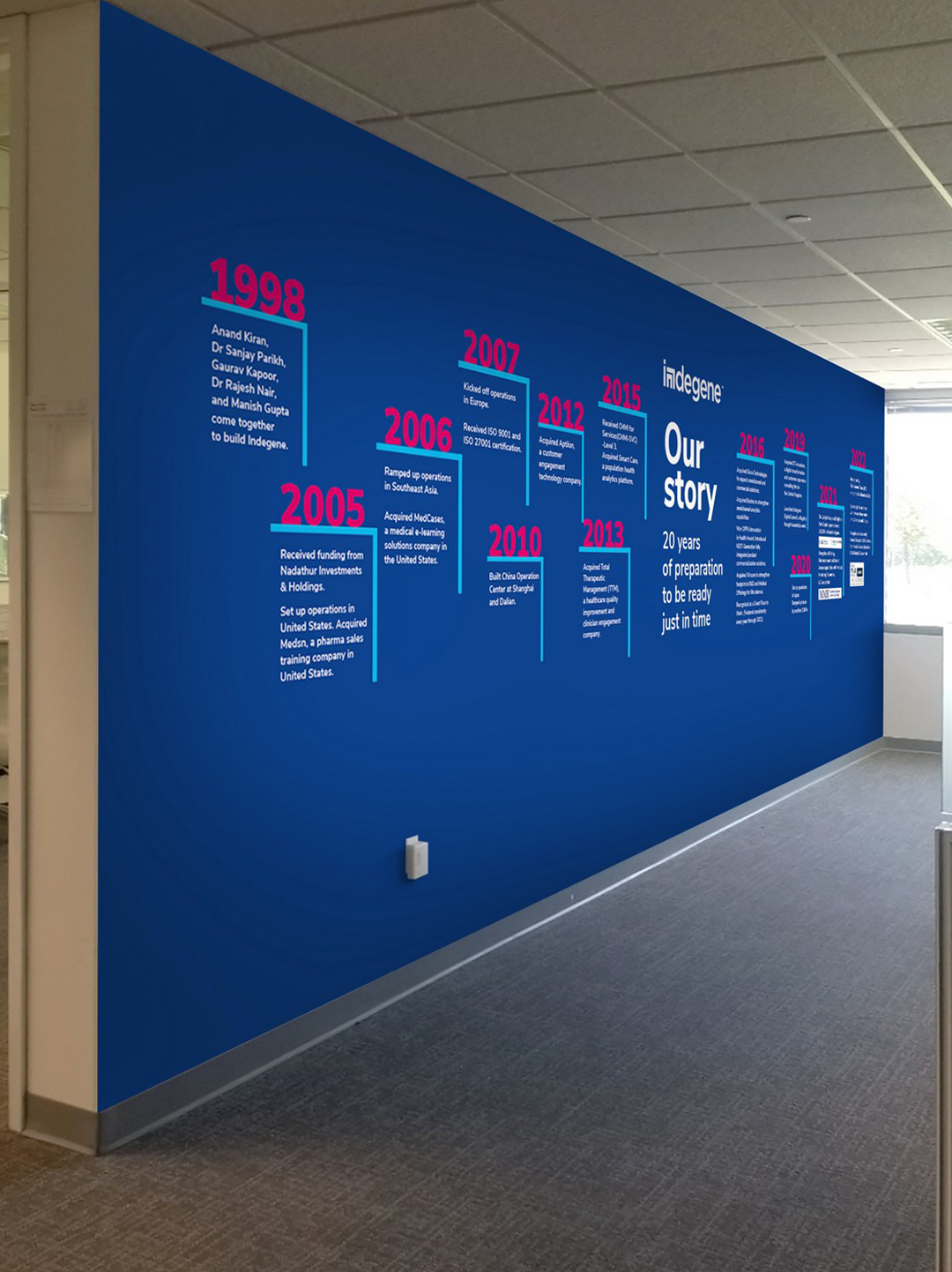
The system was then extended across communication and experience touchpoints – creating a common foundation that could be used by different teams, markets and creators without repeatedly reinventing the brand.
Service Provider → Solution Partner
Fragmented Portfolio → Coherent Brand Architecture
Many Brand Creators → One Scalable System
Capability → Communicated Value → Market Perception