The Business Challenge
Smirnoff Lime had to overcome a fundamental growth barrier: the consumer could not experience the product before deciding whether to buy it.
In India, alco-bev retail is highly constrained by regulation. Approximately 98% of sales came through off-premises outlets, yet consumers typically spent only 20–40 seconds in small, crowded stores where conventional communication had little impact. They generally knew what they wanted, had limited attention, and rarely experimented.
The conventional launch answer – more communication at retail – would not solve the problem. The challenge was to create a trial without being able to offer trial.
The Behavioural Insight
Lokusdesign reframed the brief from launch communication to purchase behaviour.
Research revealed an opportunity in the most immediate human sensory response: smell can trigger recognition, memory, and anticipation before rational evaluation takes place. If consumers could not taste Smirnoff Lime, could we create an immediate sensory anticipation of the taste? That became an innovation opportunity.
The Design Innovation
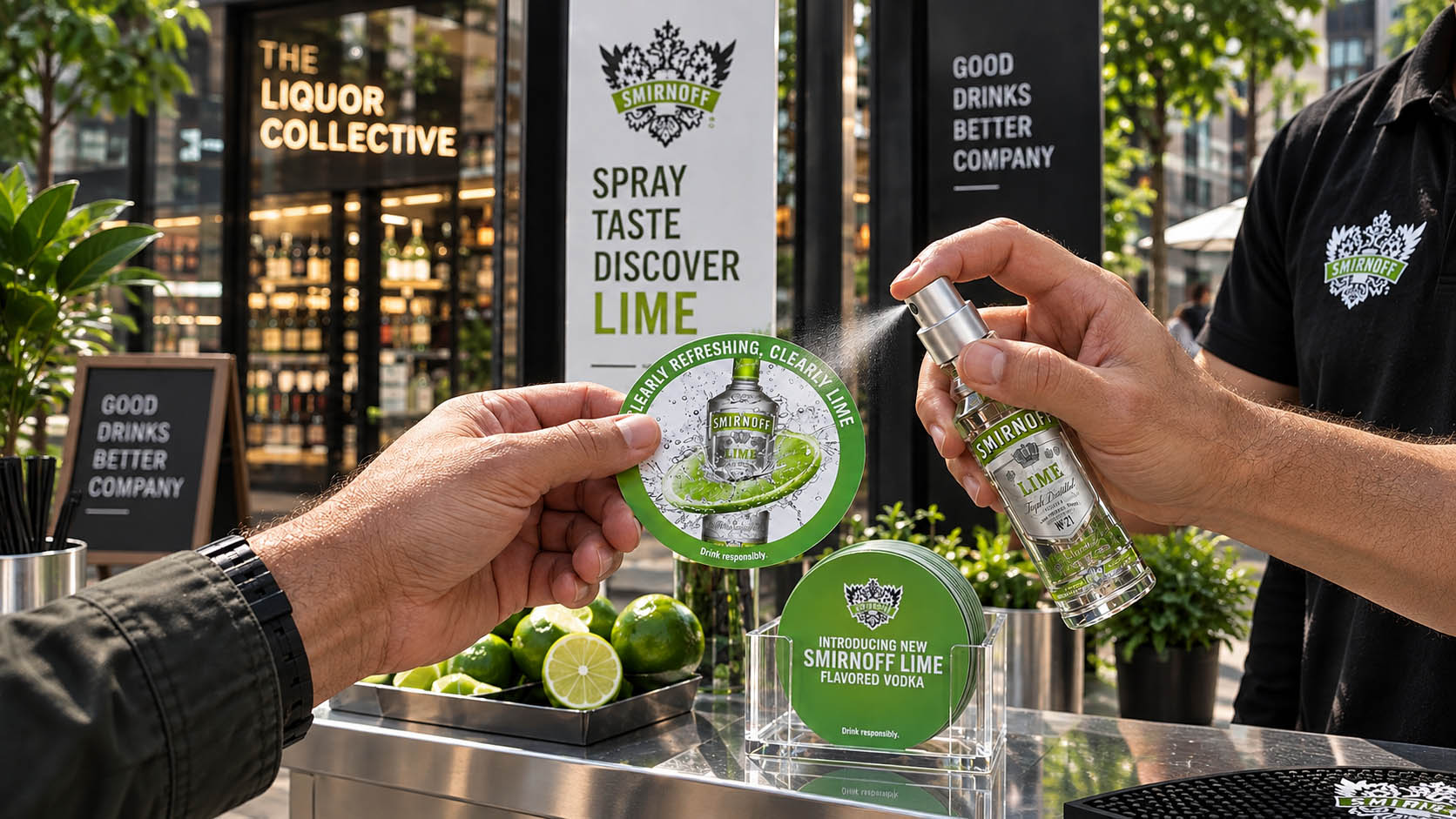
We created the Smirnoff Lime Spray Tester – a simple intervention designed around the exact moment of purchase. A promoter sprayed lime-scented spray onto a card and handed it to the consumer. The interaction took seconds:
See → Smell → Recognise → Anticipate → Consider → Buy
Instead of explaining a new flavour, the brand let consumers experience a sensory cue for it. The intervention effectively converted smell into a proxy for product trial and created a direct connection between sensory recognition and purchase intent.
Designing the CAC Equation
The strategic significance went beyond activation. Traditional brand building requires investment to create awareness and consideration before a consumer ever enters the store. Smirnoff Lime intervened much closer to the point of purchase – where intent already existed. The design therefore reduced the behavioural distance between:
Purchase intent → sensory experience → conversion
This made the intervention a customer-acquisition and conversion mechanism, not simply a communication asset.
The principle was simple:
Don’t spend more to create attention when you can design a stronger trigger at the moment attention already exists.
The Experience System
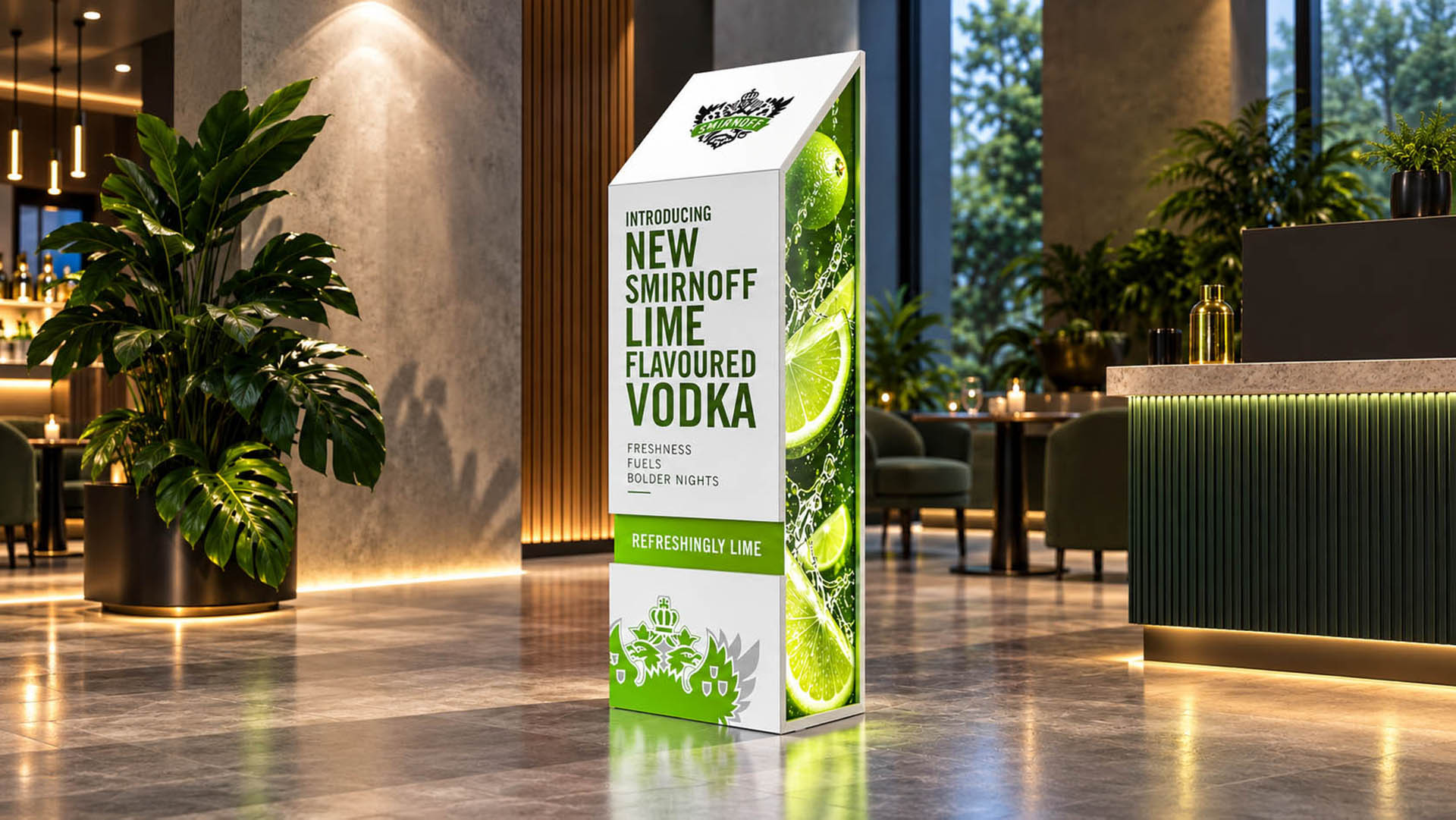
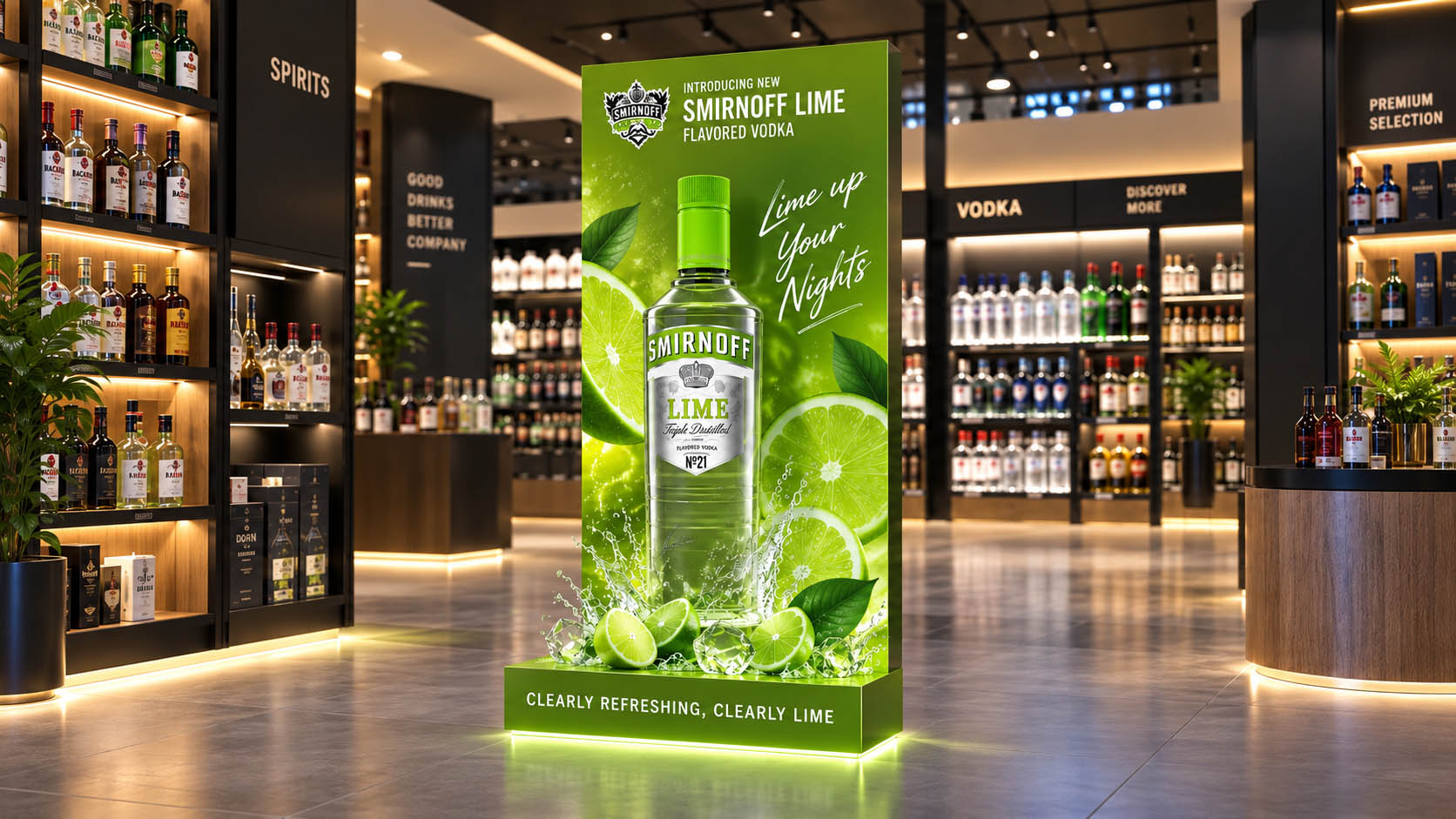
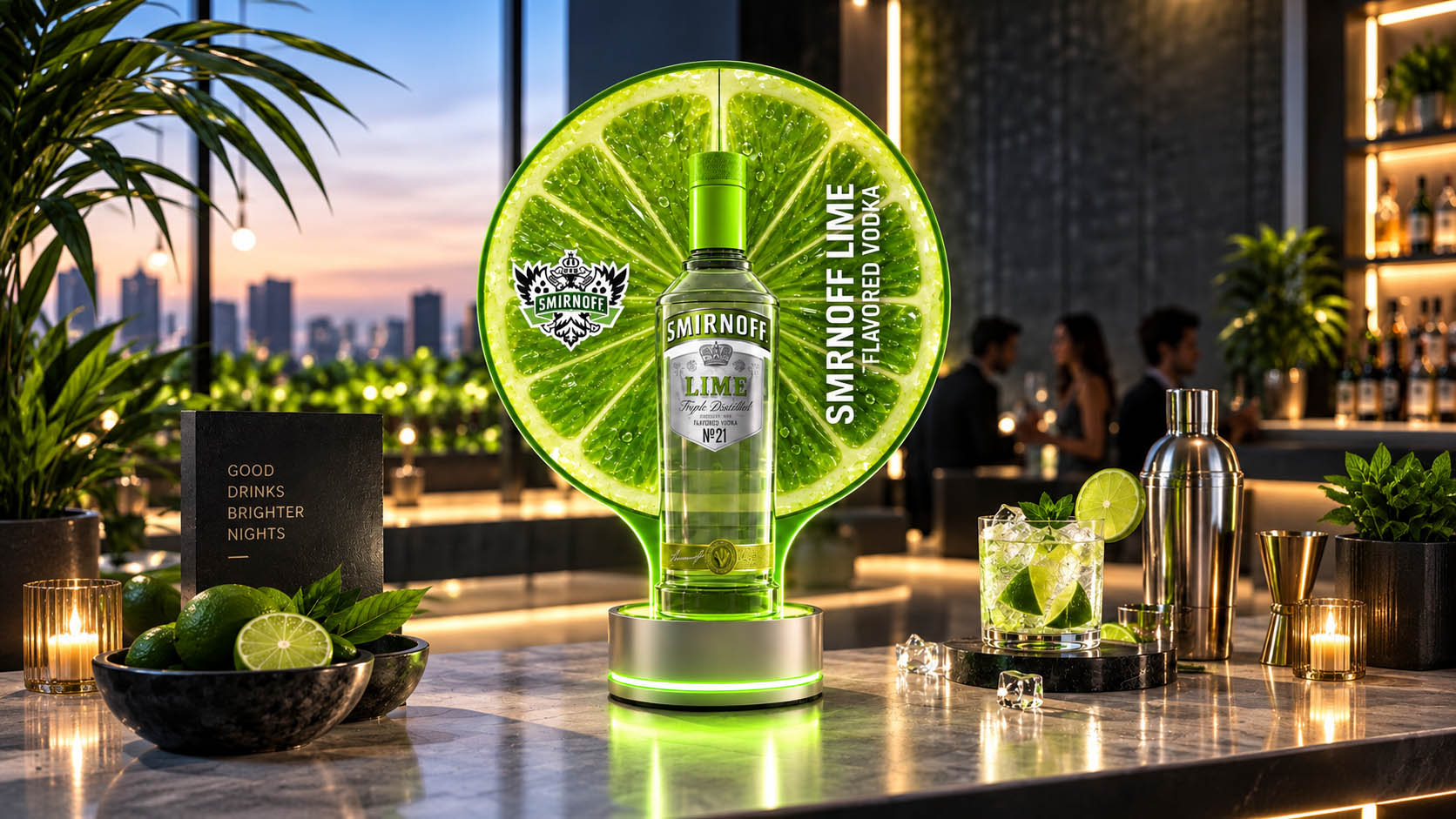
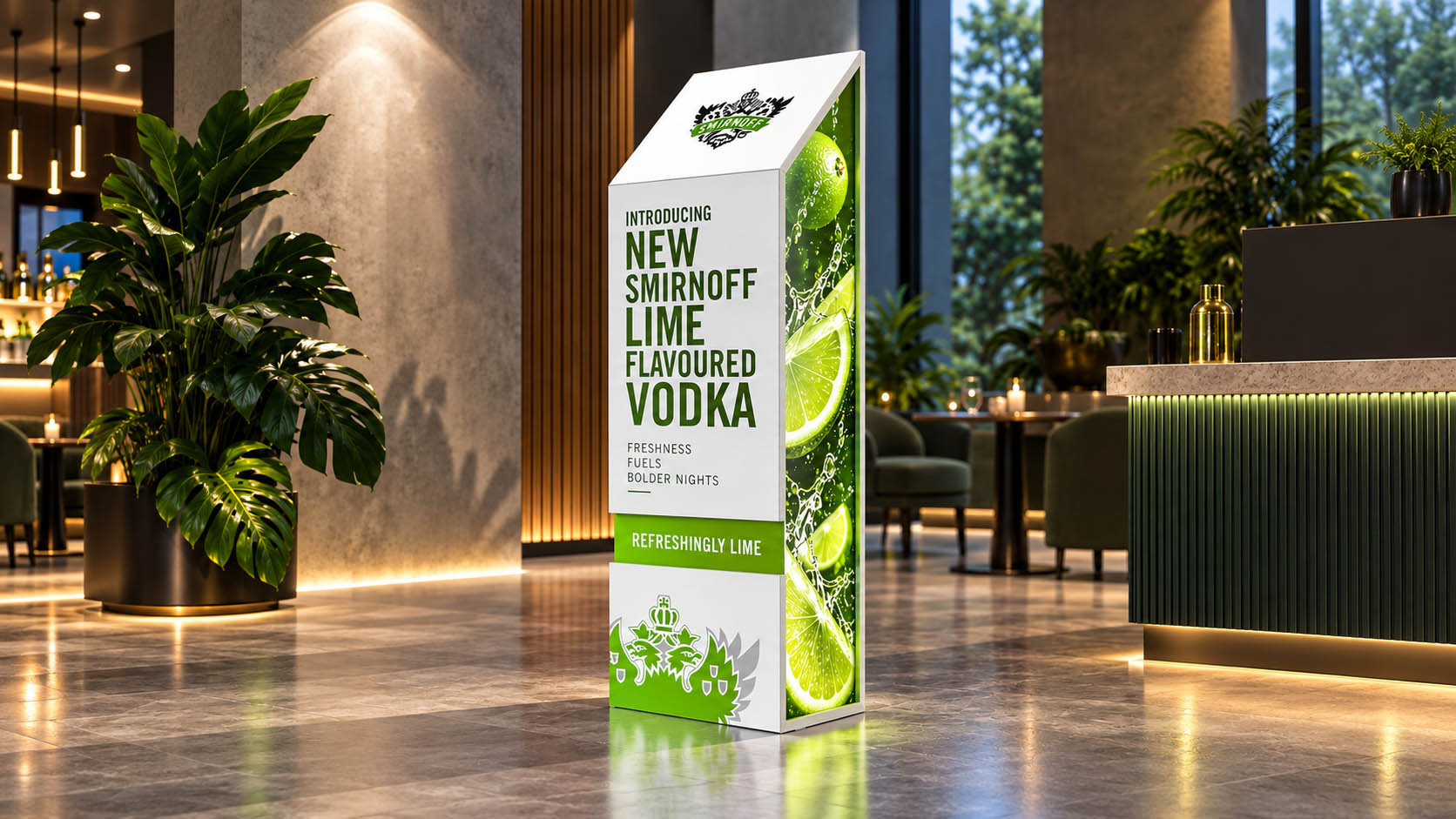
The spray tester became the hero intervention within a broader consumer experience system spanning packaging, retail POS, interactive displays, LED-lit elements, coasters, menu clips and promoter touchpoints. But the system was built around one objective:
create recognition → trigger the senses → generate curiosity → convert intent into purchase.
Every element reinforced the same proposition rather than adding communication clutter.
The Business Impact
The results demonstrated the commercial power of the intervention:
10× sales from Mumbai alone.
The momentum subsequently scaled nationally, delivering approximately:
3× month-on-month sales for the remainder of the year.
The innovation was subsequently recognised as a case study within Smirnoff and Diageo globally, reflecting its significance beyond a single-market activation.
Why It Mattered
The innovation was not a spray card. The innovation was identifying that the real barrier to growth was not awareness – it was the absence of sensory trial at the moment of purchase.
Lokusdesign transformed a regulatory constraint into a behavioural opportunity:
No tasting → use smell.
No retail space → use portable intervention.
Low attention → create an instant sensory trigger.
Habitual purchase → introduce curiosity.
High acquisition friction → intervene at purchase intent.
The result was a design intervention that connected human senses, consumer behaviour and business economics to deliver measurable growth.
10× Mumbai sales.
~3× month-on-month national sales.
A global Smirnoff/Diageo case study.
Design wasn’t used to communicate the product. It was used to change the behaviour that bought it.